What Are the Top Semiconductor Companies in the World?
The semiconductor industry plays a crucial role in modern technology. It powers our smartphones, computers, and countless devices we rely on daily. A semiconductor company is at the heart of innovation in electronics. These companies design and manufacture chips that enable high performance and energy efficiency.
However, growth in this sector is not without challenges. Supply chain issues and geopolitical tensions can impact production. Companies must adapt to changing market demands and technological advancements. The competitive landscape is fierce, with major players constantly innovating.
As we explore the top semiconductor companies in the world, it becomes clear that success often comes with struggles. Each company brings unique strengths and weaknesses. Understanding their journeys reveals insights into the complexities of this vital industry.
Overview of the Semiconductor Industry
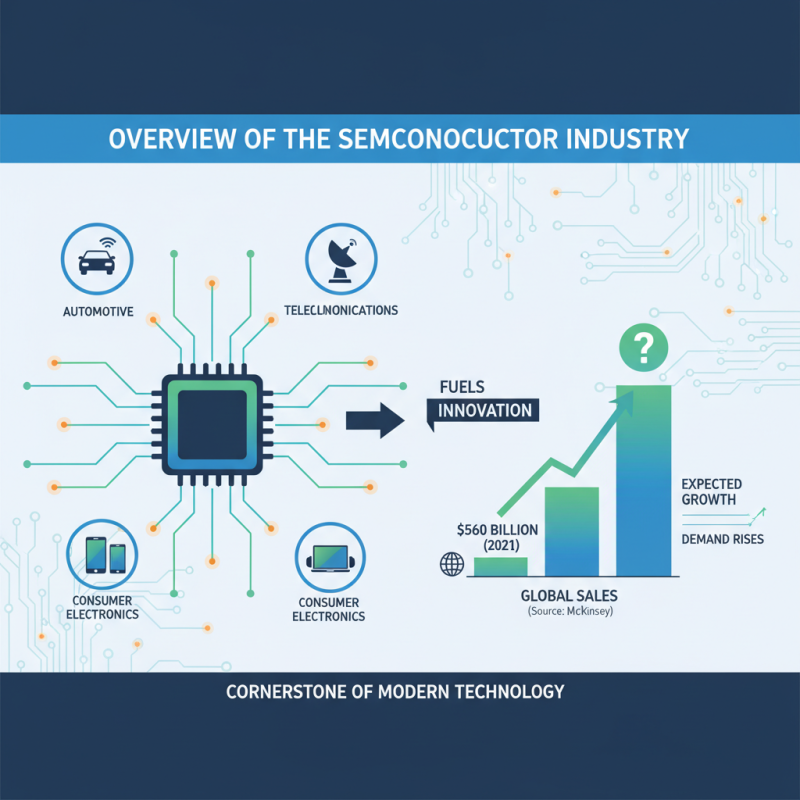
The semiconductor industry is a cornerstone of modern technology. It fuels innovation across multiple sectors. According to a report by McKinsey, global semiconductor sales reached approximately $560 billion in 2021. This number is expected to grow. Demand keeps rising in automotive, telecommunications, and consumer electronics.
The complexity of semiconductor manufacturing is significant. Factories often operate under strict conditions. Yield rates can be frustratingly low. Even slight defects can render chips unusable. Recent analyses indicate that average defect rates linger around 15%. This challenges manufacturers to rethink production strategies continually.
Despite impressive growth rates, challenges persist. Supply chain disruptions have highlighted vulnerabilities. Recently, a report indicated that nearly 70% of companies faced delays. Sustainability also remains a hot topic. Environmental impacts of production methods need addressing. As the industry evolves, focusing on efficiency and sustainability is crucial.
Key Players in the Global Semiconductor Market
The global semiconductor market is driven by key players that shape the industry. These companies manufacture chips vital for countless applications, from smartphones to automotive electronics. The competitive landscape is diverse, with firms focusing on innovation and technology advancement.
Innovation is crucial in this field. Many companies invest heavily in research and development. This commitment often leads to cutting-edge technologies and improved efficiency. However, some firms face challenges in keeping pace with rapid changes in consumer demands. Adapting too slowly can result in lost market share. The balance between maintaining time-tested products and developing new ones is often difficult.
Sustainability is another area where reflection is needed. As the industry grows, environmental impacts must be considered. While many companies strive for greener practices, not all are fully aligned. The push for sustainable production methods is ongoing. Many still rely on outdated processes that may harm the planet. Addressing these issues is essential for long-term success in the semiconductor sector.
Top Semiconductor Companies in the World
| Rank |
Revenue (Billion $) |
Market Share (%) |
Employee Count |
Headquarters Location |
| 1 |
82 |
19 |
50,000 |
USA |
| 2 |
77 |
15 |
70,000 |
South Korea |
| 3 |
63 |
12 |
32,000 |
Taiwan |
| 4 |
58 |
10 |
40,000 |
USA |
| 5 |
54 |
9 |
29,000 |
China |
Criteria for Ranking Semiconductor Companies
When assessing semiconductor companies, several criteria come into play. Market capitalization is often a primary factor. A higher market cap indicates a company's larger share of the market. For instance, reports suggest that the leading companies usually have caps exceeding $100 billion. Revenue growth is another important measure. Companies that consistently increase their revenue outperform their competitors and gain market trust.
Innovation also plays a crucial role in ranking. Companies that invest heavily in research and development typically lead the market. A significant portion, around 15% of annual revenue, is often allocated to R&D by top players. This investment should yield tangible results, yet not all companies succeed in commercializing their innovations.
Furthermore, global reach matters. Companies with extensive supply chains and distribution channels can respond better to market demands. A diverse geographical presence often stabilizes revenues. However, the semiconductor industry faces challenges. Supply chain disruptions can significantly impact production. Companies must remain agile and resilient to navigate these waters effectively.
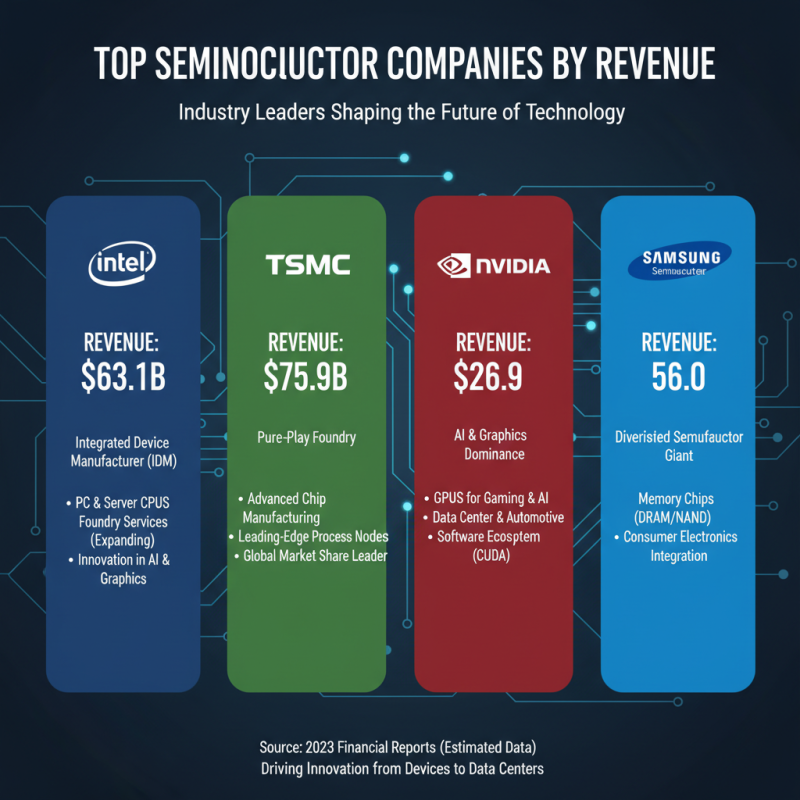
Top Semiconductor Companies by Revenue
The semiconductor industry plays a pivotal role in technology. It drives innovation across various sectors, from consumer electronics to automotive. Revenue determines the scale and influence of these companies. Some lead the way in design and manufacturing capabilities. Each has unique strengths and challenges.
When observing top players, factors like investment in research and development emerge. These companies prioritize innovation to stay competitive. Advanced fabrication techniques are adopted to enhance production efficiency. However, reliance on specific markets can pose risks. Economic fluctuations may impact sales and profit margins.
Emerging markets are changing the landscape too. Many new players are making strides. They focus on niche applications. Growth opportunities arise, but established companies face mounting competition. Balancing growth while adapting to market demands is crucial. The future landscape remains uncertain, demanding constant re-evaluation.
Emerging Trends Influencing the Semiconductor Sector
The semiconductor sector is evolving rapidly. Emerging trends are reshaping how companies operate. Innovations in technology are a key driver. Consider how AI and machine learning are transforming chip design. These advancements lead to more efficient production methods.
Sustainability is becoming a priority. Companies are seeking greener manufacturing processes. Reducing waste and conserving energy is crucial. Many firms are investing in eco-friendly technologies. This shift reflects a changing consumer preference for responsible practices.
Tips: Focus on collaboration across the industry. Partnerships can drive innovation and reduce costs. Embrace flexibility to adapt to market changes. Monitor global supply chain challenges closely. They can affect production timelines and delivery.