In the fast-paced world of semiconductors, cost management is crucial for global buyers. Industry expert Dr. Alice Chen emphasizes, “Understanding the semiconductor process can lead to significant cost savings.” As companies grapple with rising material costs and supply chain disruptions, strategic insights into semiconductor processes can make a difference.
Navigating this complex landscape requires expertise. Buyers must comprehend each phase of semiconductor manufacturing. From wafer fabrication to packaging, every step impacts the bottom line. Effective collaboration with suppliers can enhance efficiency and reduce expenses, yet many organizations still overlook this vital aspect.
Buyers often face challenges in optimizing their semiconductor process. Miscommunication and lack of knowledge can lead to wasted resources. It’s essential to reflect on current strategies and identify improvement areas. With expert guidance and a focus on process efficiency, global buyers can achieve meaningful cost savings while maintaining quality.

Understanding the dynamics of the semiconductor supply chain is crucial for cost efficiency. In 2022, the global semiconductor market was valued at approximately $600 billion. The recent disruptions due to geopolitical conflicts and the pandemic have highlighted vulnerabilities. Buyers need to recognize the importance of diverse sourcing strategies to navigate these dynamics effectively.
Cost-saving opportunities exist at various stages of the supply chain. For instance, engaging with multiple suppliers can mitigate risks and potentially reduce costs. Suppliers often underestimate the ability of buyers to switch partners if prices rise. Additionally, maintaining strong relationships with suppliers can lead to better negotiation leverage. This method can help manage overheads while ensuring a steady supply of essential components.
**Tips: Trade-offs are vital.** Balancing cost and quality is essential. Focus on the total cost of ownership rather than just unit price. **Evaluate suppliers regularly.** Look beyond the immediate cost. Quality inconsistencies can lead to higher long-term expenses. Companies often need to reflect on their current supplier relationships. Are they getting the best value while mitigating risks?
The semiconductor manufacturing landscape is complex. Understanding cost drivers is crucial for global buyers. Various factors significantly affect these costs. Labor, raw materials, technology, and energy consumption are key components.
Labor accounts for a substantial portion of production expenses. According to industry reports, skilled labor can represent up to 20% of total costs. Countries with higher labor costs impact manufacturing expenses negatively. Raw material prices fluctuate, impacting budgets. For instance, silicon prices have increased by 30% over the past year. Additionally, energy costs are rising globally, and this trend creates challenges for manufacturers.
Investing in advanced manufacturing technology can mitigate some costs. However, these technologies require significant upfront investments. Consequently, firms must evaluate long-term benefits against immediate expenses. Supply chain disruptions also contribute to costs. Recent data indicates that delays can lead to a 15% increase in operational expenses. Navigating these complexities remains challenging for many companies in the semiconductor sector.
Optimizing semiconductor procurement can significantly impact cost savings for global buyers. It requires strategic planning and informed decision-making. Here are some practical tips that can guide this process.
Buyers should evaluate the supply chain efficiency. Understanding the sources of materials, lead times, and logistics can directly affect overall costs. Streamlining this process often reveals hidden savings. Regularly reassessing supplier relationships is crucial too. Some vendors may offer better pricing or terms, but it’s essential to consider potential risks.
Another tip is to leverage data analytics. Tools that analyze market trends and price fluctuations help in making informed procurement choices. Such analytics can reveal when to buy and when to hold off. Staying current with industry developments is vital as well. It allows buyers to anticipate shifts in the market, which can lead to better negotiating power.
Collaborating with industry experts can also enhance procurement strategies. Their insights can guide buyers through complex landscapes. Yet, it’s important to remain vigilant about changing dynamics. Constant reflection on strategies is necessary to adapt to evolving market conditions.
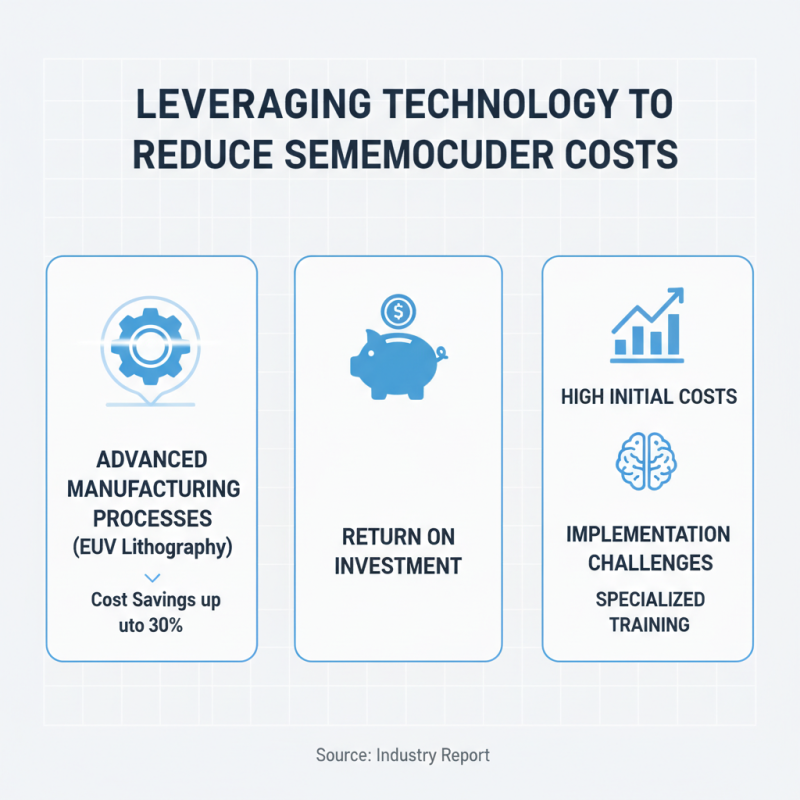
In today's semiconductor industry, leveraging technology is essential for cost reduction. Advanced manufacturing processes, such as EUV lithography, have shown significant return on investment. According to a recent industry report, companies can save up to 30% on production costs by adopting these innovations. However, implementation isn’t without challenges. High initial costs and the need for specialized training can be significant barriers.
Automation is another key to reducing expenses. A study from the Semiconductor Industry Association highlighted that automation can enhance efficiency by up to 40%. This doesn’t just lower labor costs; it also minimizes human error in production. Despite these advantages, many firms struggle to integrate automation technology effectively. The transition requires a cultural shift within organizations, something that can take time and patience.
Furthermore, blockchain technology offers a transparent supply chain solution. By tracking materials and components, companies can reduce waste and cut down costs by up to 25%. This approach fosters a deep commitment to sustainability, yet many manufacturers face difficulties in adopting these systems. The potential for cost savings is clear, but the path to implementation can be rocky.
Vendor relationships play a crucial role in securing better pricing for semiconductor purchases. Establishing strong collaboration with suppliers can lead to cost savings and enhanced support. Start by evaluating current vendor performance. Assess factors like pricing, delivery reliability, and technical support.
Consider negotiating long-term contracts. Committing to larger orders may lead to discounts. However, be cautious. Locking in prices can be risky if market demands shift. Regularly review supplier performance to ensure they meet your changing needs.
Develop multiple vendor options to avoid over-reliance on a single source. This fosters competitive pricing and encourages better service. Also, schedule regular reviews with suppliers to address any concerns. Open communication can enhance trust and lead to more favorable terms.
To further optimize costs, share forecasts with suppliers. This transparency can help both parties align on expectations. Building these relationships takes time and effort. Reflect on the current dynamics and be prepared to adjust your approach as needed.
| Vendor Type | Average Cost ($) | Lead Time (Days) | Quality Rating (1-5) | Geographic Region |
|---|---|---|---|---|
| Foundry | 15000 | 30 | 4.2 | Asia |
| Raw Material Supplier | 5000 | 15 | 3.8 | North America |
| Equipment Manufacturer | 250000 | 60 | 4.5 | Europe |
| Contract Manufacturer | 20000 | 45 | 4.0 | Asia |
| Consultancy | 15000 | 10 | 4.7 | Global |