Why is Motion Control Essential for Modern Automation Systems?
Motion control plays a pivotal role in modern automation systems. This technology governs the movement of machines and robots with precision. As industries evolve, the need for accuracy and efficiency becomes critical. Motion control systems enable tasks to be performed faster and with less error.
The integration of motion control in automation has transformed production lines. Machines can now operate with fluidity and responsiveness. However, challenges remain in adapting these systems to diverse environments. Many companies still grapple with the complexity of implementing motion control.
Yet, the benefits can be profound. Enhanced productivity and reduced operational costs are just the beginning. Organizations must continually assess and improve their motion control strategies. This ongoing reflection can lead to innovation and better outcomes. Embracing motion control is not just an option; it is essential for success in today's competitive landscape.
The Role of Motion Control in Automation Systems
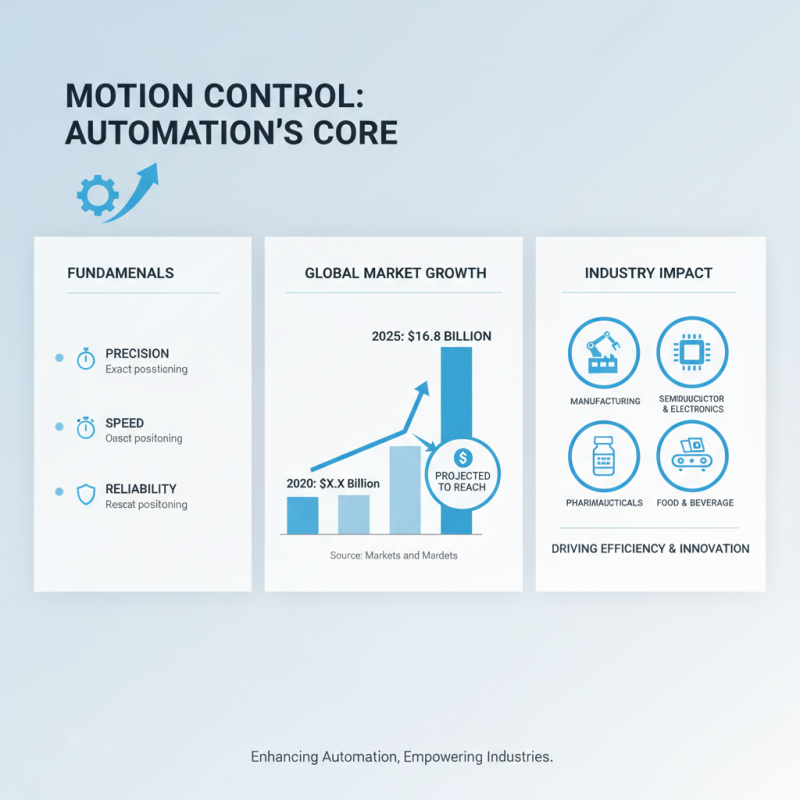
Motion control is a fundamental aspect of automation systems. It plays a pivotal role in enhancing precision, speed, and reliability in various industries. According to a recent report by Markets and Markets, the global motion control market is projected to reach $16.8 billion by 2025. This growth reflects the increasing need for efficient automation solutions.
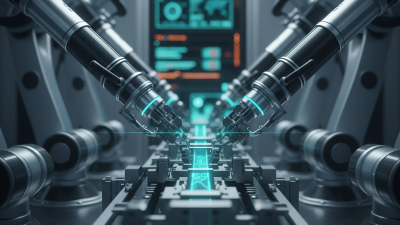
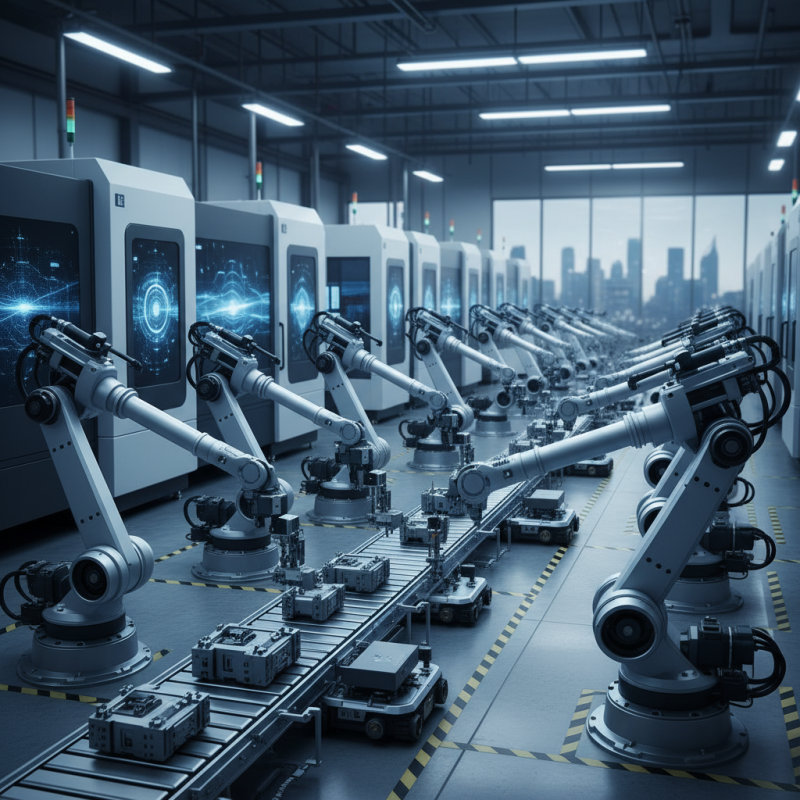
In manufacturing, motion control enables machines to execute tasks with high accuracy. For instance, it helps robotic arms perform intricate assembly operations. These systems can reduce production time and improve quality. However, integrating motion control can present challenges. Calibration issues can arise, leading to inaccuracies. Regular maintenance is crucial to boost system efficiency.
**Tip:** Invest in training for staff. Understanding motion control technology can mitigate potential errors.
Motion control technology significantly influences logistics and supply chain management. Automated guided vehicles (AGVs) rely on precise motion control to navigate complex environments. They reduce operational costs by optimizing movement and minimizing delays. Yet, companies should remain vigilant. Accidents due to miscommunication or system failures can occur. Continuous monitoring of motion control systems is essential.
**Tip:** Implement a robust feedback mechanism. This can help identify issues early on and enhance system performance.
Key Components of Motion Control Technology
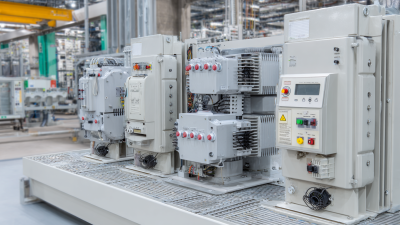
Motion control technology plays a crucial role in modern automation systems. It integrates various key components for precise and efficient operations. At its core are servos, sensors, and controllers. Each element must work in unison. For instance, servos provide accurate movement. Sensors gather real-time data, while controllers interpret this information. Together, they enable smooth automation processes.
According to a recent industry report, the global motion control market is expected to reach $23 billion by 2026. This growth emphasizes the importance of robust motion control systems. As factories become smarter, demand for high precision has surged. In many sectors, outdated systems struggle to compete. New technologies are essential for maintaining efficiency and productivity.
Tips: Regularly assess your motion control systems. Outdated components can hinder performance. Invest in training for your team to maximize potential. Evaluating your current setup could reveal areas for improvement. Motion control isn't just about machines; it's about the people behind them. Every operator should understand the technology they work with. This understanding is vital for optimizing workflows.
Importance of Key Components in Motion Control Technology
Benefits of Integrating Motion Control in Automation
Motion control plays a critical role in modern automation systems. Its integration brings numerous benefits that enhance overall productivity and efficiency. Reports indicate that automation systems with optimized motion control can increase production rates by up to 30%. This improvement is crucial in industries where precision and speed are vital.
For instance, the automotive sector relies on precise motion control for robotic assembly lines. Accurate positioning reduces assembly errors and minimizes waste. Data shows that automating these processes can lower operational costs by approximately 15%. Such financial benefits are hard to ignore in today’s competitive market.
Tips: Invest in training for your team. Understanding motion control systems can maximize efficiency. Regularly assess your automation processes. Small adjustments can lead to significant improvements.
Moreover, integrating motion control means better adaptability. Systems can quickly adjust to new tasks without extensive reprogramming. Flexibility is essential in responding to market demands. A study reveals that 70% of manufacturers see a need for more agile production capabilities. This need signals a shift towards more intelligent automation systems.
Why is Motion Control Essential for Modern Automation Systems? - Benefits of Integrating Motion Control in Automation
| Aspect |
Description |
Benefits |
| Precision |
Motion control systems enable precise positioning in automation processes. |
Increased output quality and reduced waste. |
| Flexibility |
Allows for quick adjustments and changes in production processes. |
Enhanced ability to adapt to market demands. |
| Speed |
Improves the speed of operations by optimizing motion paths. |
Higher productivity levels and shorter production cycles. |
| Automation |
Automates repetitive tasks, reducing human error. |
Improved consistency and reliability in operations. |
| Data Integration |
Easy integration with various software and data systems. |
Enhanced decision-making through real-time data analysis. |
Challenges in Implementing Motion Control Solutions
Implementing motion control solutions in modern automation systems can be quite challenging. One major hurdle is the integration of different technologies. Not all systems communicate seamlessly. This can lead to delays and even failures in operation. When components from various manufacturers are involved, compatibility issues often arise. It's essential to have a unified platform to coordinate these elements.
Another challenge is the complexity of programming. Many engineers struggle with the intricacies of motion control algorithms. These algorithms require precise tuning for optimal performance. Simplifying this process could reduce errors and enhance productivity. Users often complain about the steep learning curve associated with these systems. As a result, companies may find themselves underutilizing their investments.
Lastly, maintenance poses a significant challenge. Motion control systems rely on regular updates and servicing. However, many teams lack the resources or expertise to perform this maintenance effectively. Systems can become outdated quickly. Identifying wear and fatigue in components also demands a keen eye. Without proper oversight, the entire automation system risks inefficiency and frequent breakdowns.
Future Trends in Motion Control for Automation Systems
Motion control is evolving rapidly, driven by the demands of automation systems. As industries strive for greater efficiency, the need for precise control is more critical than ever. Innovations in robotics and artificial intelligence are reshaping how motion is managed. Smart algorithms are being developed to enhance responsiveness and adaptability. However, the technology can be complex, often requiring significant troubleshooting.
Future trends indicate a shift towards interconnected systems. These systems will leverage IoT to allow devices to communicate in real-time. This could lead to improved decision-making and optimized performance. Yet, integrating these technologies presents challenges. Gaps in compatibility may occur. The learning curve for engineers can be steep. Training will be essential for companies looking to harness these new advancements.
Another trend is the push for sustainability in motion control. Energy-efficient systems will become a priority. Users will demand solutions that not only perform well but also conserve resources. However, achieving this balance is not straightforward. Old machinery may need retrofitting or replacement. Organizations must weigh costs against environmental impact. Each step forward comes with its own set of hurdles.