In the realm of modern technology, the linear drive holds a crucial position. This mechanism operates by converting rotational motion into linear motion. It is found in various applications, from robotics to manufacturing. The use of linear drives can significantly improve efficiency.
Precision is key. Linear drives provide accurate positioning, which is essential in automated systems. They often come with different configurations, including electric and pneumatic varieties. Their versatility allows for integration in multiple sectors, enhancing productivity. However, the reliance on linear drives also poses challenges. Variations in speed and load can affect performance.
Understanding how a linear drive works is vital for engineers and designers. It opens up avenues for innovative designs and smarter systems. Yet, as technology evolves, users must continue to assess these tools critically. Optimization and maintenance are necessary to ensure reliability and longevity.
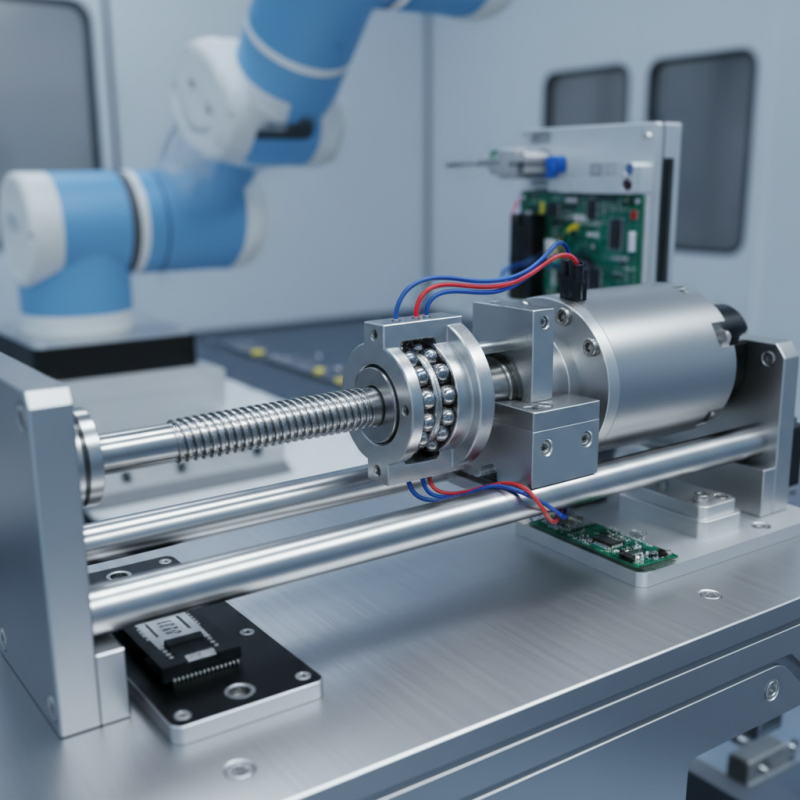
A linear drive is a type of actuator that produces motion in a straight line. It converts electrical energy into linear mechanical movement. This device is commonly found in various applications, from industrial machinery to robotics. Understanding its components is essential for grasping how it functions.
The main components of a linear drive include the motor, guide rails, and actuator. The motor is responsible for providing the necessary torque. It can be either electric or pneumatic, depending on the application. Guide rails ensure that the movement is precise and stable. These components work together to create smooth and efficient linear motion. However, the precision of this movement can sometimes be compromised. Wear and tear on the rails can lead to misalignment over time.
Actuators are crucial; they directly control the motion of the load. They come in different forms, such as electromagnetic, hydraulic, or mechanical. Each type has its advantages and drawbacks. For instance, electromagnetic actuators are energy-efficient but can generate heat. Hydraulic actuators provide high force but can leak fluid. This diversity invites reflection on the right choice for specific tasks. Understanding these intricacies can help in selecting the optimal linear drive for any project.
| Component | Description | Function | Applications |
|---|---|---|---|
| Motor | Converts electrical energy to mechanical energy. | Drives the linear motion mechanism. | Robotics, conveyor systems. |
| Guide Rails | Tracks that provide stability and precision for linear movement. | Ensures smooth and accurate motion. | Industrial automation, machinery. |
| Actuator | The component that produces physical movement. | Translates control signals to motion. | 3D printing, CNC machines. |
| Feedback Sensors | Devices that provide information on position and speed. | Ensures accuracy and control of motion. | Automated systems, robotics. |
| Control System | Directs the operation of the linear drive. | Processes input signals to control motion. | Robotics, assembly lines. |
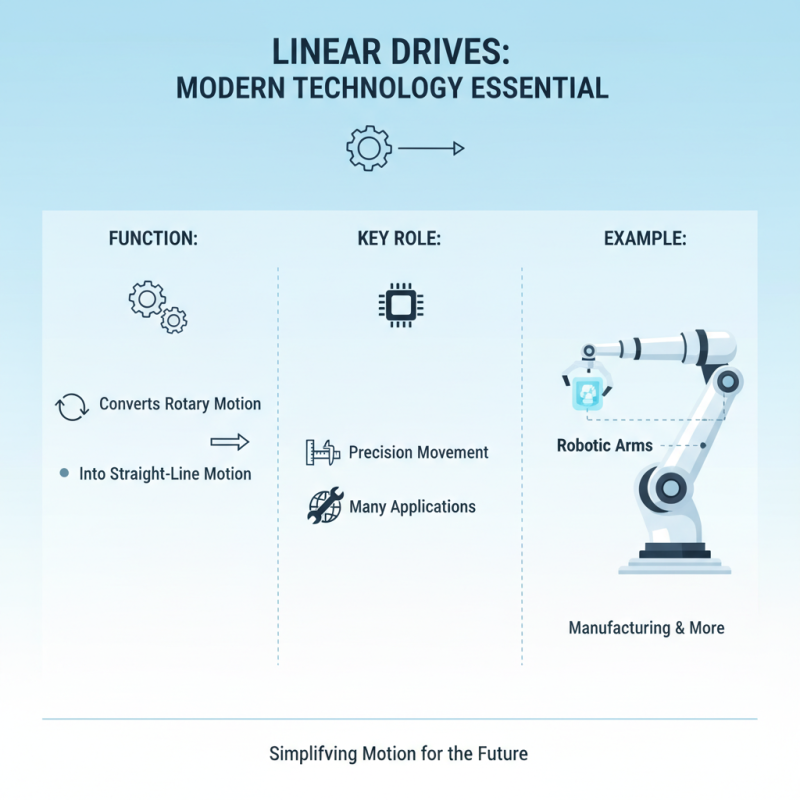
Linear drives are essential components in modern automation and robotics. They convert rotational motion into linear motion. This technology relies on principles of magnetism and mechanics. A linear drive typically consists of a motor, a guiding system, and a feedback mechanism. The motor activates the movement, while the guiding system ensures accuracy.
The operation of a linear drive revolves around two key principles: linear force generation and precise positioning. The motors provide the force required to move loads. Meanwhile, sensors offer feedback for fine-tuning positions. This creates remarkable efficiency in tasks, from manufacturing to robotics.
**Tips:** When selecting a linear drive, consider its load capacity and speed. Knowing the environment is vital too. Some drives may need protection against dust or moisture. Always evaluate if a linear drive meets your system's requirements effectively.
Linear drives play a significant role in modern technology. They convert rotary motion into straight-line motion. This mechanism is essential for many applications. Robotic arms often use linear drives. They allow precise movement in manufacturing.
In the automotive industry, linear drives help with automatic doors and trunk lifts. They enhance convenience for users. Smart home devices also benefit from linear drive technology. Curtains can be opened or closed automatically.
**Tip:** Consider the weight limits of linear drives. Each model is designed for specific tasks.
Another application includes medical devices. Linear drives assist in operating tables that adjust for patient comfort. This adds to the effectiveness of healthcare. Some challenges arise, though. Installing linear drives can be complicated. Proper alignment is crucial for optimal function.
**Tip:** Regular maintenance is key. This ensures longevity and reliability.
Linear drives are essential in today’s fast-paced tech world. Yet, they require careful integration into systems. A small error can lead to a significant impact.
Linear drives are transforming technology in many sectors. They offer several advantages over traditional drives. These include improved accuracy and reduced maintenance needs. Linear drives work by converting rotational motion into linear motion. This mechanism allows for precise positioning in machines and robotics.
One key advantage is their compact size. Linear drives take up less space than traditional systems. This can be crucial in tight environments. They are also more energy-efficient. Utilizing less energy can lead to cost savings in the long run.
Tips: Always consider the specific requirements of your application. Overlooking details can lead to inefficiency. Check compatibility with existing systems before installation. Transitioning to linear drives may need adjustments.
Another advantage is their reduced wear and tear. Fewer moving parts translate to longer lifespans. Traditional systems often require more frequent replacements. However, it’s essential to monitor performance continuously. This ensures they operate at optimal levels. Regular checks allow for better maintenance planning.
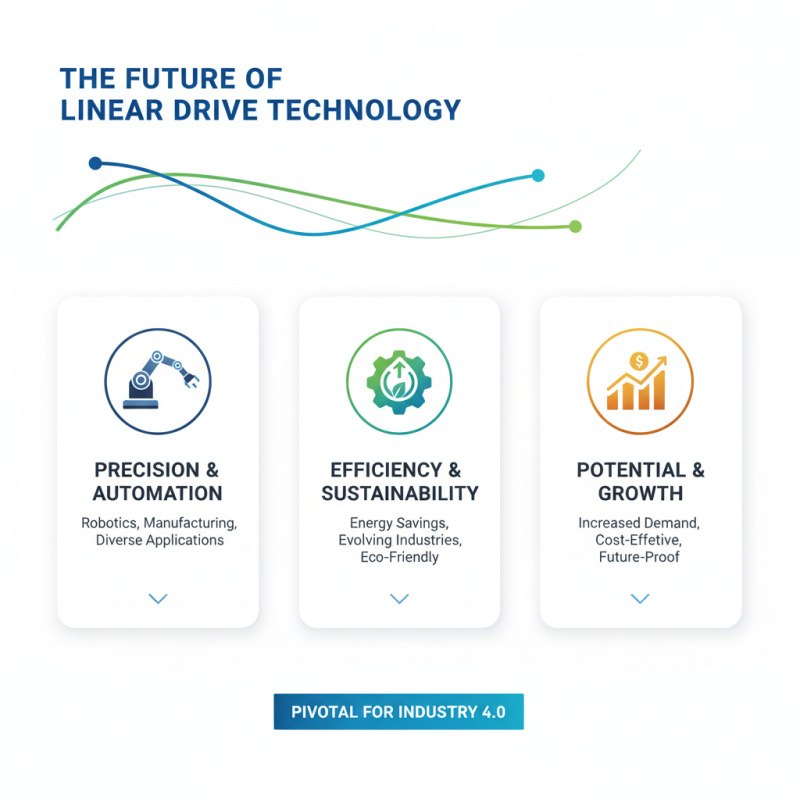
The future of linear drive technology is promising and full of potential. These systems are pivotal in automation. They deliver precision in various applications, from robotics to manufacturing. As industries evolve, the demand for efficiency grows. Linear drives can enhance energy savings. This is a significant selling point for manufacturers aiming for sustainability.
Looking ahead, we may see advancements in materials. Lightweight but strong materials could replace traditional components. This change could lead to faster speeds and better performance. Engineers are exploring new designs for compactness and efficiency. Interestingly, we still face challenges. Understanding the limits of current technology is crucial. There might be oversights in how we integrate these systems into existing infrastructures.
Moreover, the integration of artificial intelligence is on the horizon. AI-driven linear drives could adapt in real time. This adaptability can optimize workflows. However, concerns about reliability remain. Over-reliance on technology could prove problematic. Ensuring stability while pursuing innovation is a tightrope walk for developers. The balance between progress and practicality will shape the next generation of linear drives.