2025 Guide: How to Improve Motor Control for Better Performance
In the pursuit of enhanced athletic performance and overall physical proficiency, one fundamental component often overlooked is motor control. This intricate ability not only involves the voluntary coordination of movements but also encompasses the brain's capacity to communicate effectively with the muscles, ensuring precise and efficient action. As athletes and fitness enthusiasts alike strive for excellence, understanding how to improve motor control can lead to significant advancements in their respective disciplines.
The journey to superior motor control encompasses various training techniques and methodologies tailored to optimize neuromuscular function. By integrating exercises that challenge balance, coordination, and proprioception, individuals can develop a more refined motor skill set. Furthermore, this guide aims to illuminate the pathways through which targeted practice can translate into enhanced performance, reduced injury risk, and greater overall physical awareness. In the following sections, we will explore practical strategies and insights to harness the power of motor control, enabling athletes to achieve their peak potential.
Understanding Motor Control: Key Concepts and Principles
Motor control is a fundamental aspect of human performance, influencing everything from athletic abilities to everyday tasks. At its core, motor control refers to the process of initiating, guiding, and refining voluntary movements. Understanding its key concepts can significantly enhance performance across various activities. Central to this understanding are the principles of coordination, balance, and feedback. Coordination involves the seamless integration of muscle movements to execute tasks efficiently. Balance ensures stability and control during dynamic movements, while feedback allows individuals to adjust and refine their actions based on sensory information.
Tips: To improve motor control, start with simple coordination exercises such as juggling or catching a ball. These activities engage multiple muscle groups and promote neural connections essential for refined motor skills. Additionally, incorporate balance training exercises, such as single-leg stands or yoga poses, to enhance your stability and proprioception.
Another crucial element is the role of practice and repetition. Engaging in deliberate practice, where you focus on specific skills and receive immediate feedback, can lead to significant improvements. Creating a structured practice routine that emphasizes gradual progression will help reinforce motor patterns and promote muscle memory. Regularly evaluate your performance to identify areas for improvement and adapt your approach accordingly.
Assessing Your Current Motor Skills and Performance Levels
Assessing your current motor skills and performance levels is a crucial first step in enhancing overall motor control, particularly in athletic and rehabilitative contexts. According to a study published by the Journal of Sports Sciences, athletes often show a range of motor skill proficiency, with elite performers demonstrating significantly higher levels of hand-eye coordination, balance, and spatial awareness compared to their less experienced counterparts. By conducting systematic assessments through standardized tests, such as the Tests of Gross Motor Development (TGMD), individuals can gain valuable insights into their specific strengths and weaknesses in motor skills.
Additionally, performance analytics indicate that athletes who regularly monitor their motor skill development see an average improvement of 15-20% in specific performance metrics over a season. Utilizing tools such as motion capture technology or wearable devices can facilitate detailed analysis of movement patterns, allowing for personalized training regimens that target identified motor control deficiencies. This data-driven approach not only helps in setting realistic performance goals but also enhances the overall effectiveness of training programs aimed at improving motor control, leading to better outcomes and reduced risk of injuries in the long run.
2025 Guide: How to Improve Motor Control for Better Performance - Assessing Your Current Motor Skills and Performance Levels
| Motor Skill |
Current Performance Level |
Assessment Method |
Improvement Strategies |
Goal Timeline |
| Balance |
Intermediate |
Single-leg stand test |
Balance exercises, yoga |
3 months |
| Coordination |
Beginner |
Hand-eye coordination drills |
Throwing and catching exercises |
6 months |
| Agility |
Advanced |
T-drill test |
Agility ladder drills |
1 month |
| Endurance |
Intermediate |
Cooper test |
Interval training, running |
4 months |
| Strength |
Beginner |
Push-up test |
Weight training, resistance bands |
2 months |
Techniques for Enhancing Motor Control in Daily Activities
Improving motor control is essential for enhancing performance in a variety of daily activities. One effective technique is focused attention during movements. By concentrating on the specific actions required, individuals can improve their neuromuscular connections. For instance, while performing an everyday task like writing or cooking, breaking down the movements into smaller, manageable steps can help reinforce the correct motor patterns. This conscious awareness helps to develop precision and control, which can be beneficial for both simple and complex actions.
Another technique involves incorporating balance and coordination exercises into daily routines. Activities such as walking on uneven surfaces, practicing yoga, or engaging in games that require hand-eye coordination can significantly enhance motor control. These activities challenge the body’s proprioceptive system, which is responsible for sensing body position and movement. By regularly participating in such exercises, individuals can not only improve their motor skills but also gain more confidence in their physical abilities, making daily tasks easier and more efficient.
2025 Guide: Improve Motor Control for Better Performance
This chart illustrates the impact of various techniques on motor control improvement based on a scale from 1 to 10, where 1 is minimal improvement and 10 is significant improvement. The data represents daily activities and their effectiveness in enhancing motor control.
Exercises and Drills to Improve Coordination and Precision
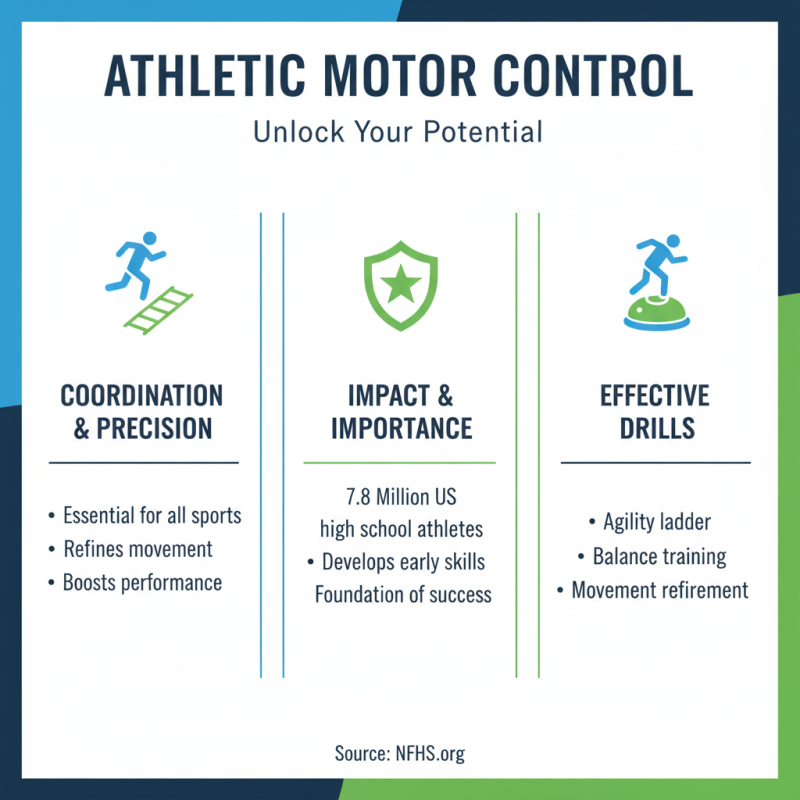
Improving motor control is essential for athletes across various sports, with coordination and precision being key components that significantly influence performance. According to the National Federation of State High School Associations, nearly 7.8 million students participate in high school sports in the U.S., highlighting the importance of developing efficient motor skills from a young age. Effective drills designed to enhance coordination—such as agility ladder exercises and balance training—can help athletes refine their movements, leading to improved performance metrics.
Research from the International Journal of Sports Science & Coaching indicates that targeted coordination exercises can boost athletes' accuracy and response times by approximately 15% over a training cycle. Drills such as ball catches, partner pass drills, and precision jumps not only work on hand-eye coordination but also strengthen the neural pathways responsible for fine motor skills. Incorporating these specific exercises into regular training regimens can offer a competitive advantage, particularly in sports that demand high levels of coordination, such as basketball, soccer, and gymnastics. Regular practice of such exercises can help athletes achieve consistency in their performance, ultimately leading to better results in competitions.
The Role of Nutrition and Recovery in Motor Performance Optimization
Nutrition and recovery play crucial roles in enhancing motor performance, significantly influencing an athlete’s ability to execute precise movements and maintain optimal control. A well-balanced diet rich in essential nutrients can boost energy levels, improve muscle function, and support cognitive processes necessary for coordination. Incorporating a variety of macronutrients—proteins for muscle repair, carbohydrates for energy, and healthy fats for sustained fuel—is key. Additionally, micronutrients such as vitamins and minerals are vital for overall health and can aid in muscle recovery and reduce the risk of injury.
Equally important is the role of recovery in optimizing motor control. Adequate rest and recovery allow the body to heal and adapt to the stresses of training. Techniques such as active recovery, stretching, and proper hydration can facilitate the replenishment of glycogen stores and reduce muscle soreness. Moreover, incorporating practices like sleep hygiene and stress management enhances overall recovery, ensuring that the nervous system is primed for peak performance. By prioritizing nutrition and recovery, athletes can significantly improve their motor control and performance, paving the way for achieving their personal bests.