How to Ensure Effective Welding Protection for Your Safety?
Welding Protection is crucial in any welding environment. The risks associated with welding are significant and diverse. Without proper measures, workers face potential injuries from sparks, intense light, and fumes. Protective gear is a fundamental part of ensuring safety.
Choosing the right equipment is essential. This includes helmets, gloves, and protective clothing. Each item plays a role in shielding against hazards. It's not enough to have them; they must meet safety standards. Over time, workers may overlook the importance of regular checks. Old or damaged gear may not provide adequate protection.
Additionally, proper training is vital. Workers should understand welding techniques and safety practices. A lack of knowledge can lead to dangerous situations. This underscores the need for continuous education in welding practices. Prioritizing Welding Protection is not just a requirement; it's a responsibility that can save lives.
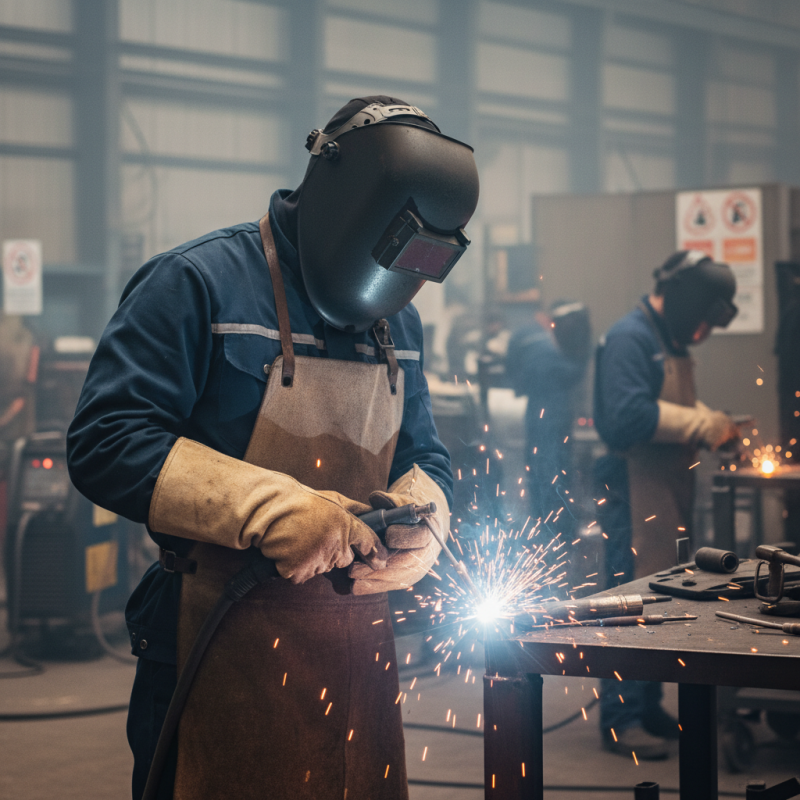
Understanding Welding Hazards: Types and Their Risks in the Workplace
Welding is a critical process in many industries, yet it comes with various hazards. Understanding these hazards is essential for workplace safety. The most common risks include exposure to arc radiation, fumes, and intense heat. According to the American Welding Society, over 50% of welders report respiratory issues due to inadequate ventilation. This highlights the importance of protective measures.
Tips: Always ensure proper ventilation. Use fume extractors to minimize inhalation risks. Regularly check air quality standards in your workspace.
Another significant risk is the potential for burns. The high temperatures associated with welding can lead to severe injuries. The National Institute for Occupational Safety and Health states that over 20,000 workers face burn injuries each year in the welding sector. Wearing appropriate protective clothing can mitigate these injuries.
Tips: Invest in flame-resistant gear. Ensure your gloves and face shields meet industry standards. Regularly inspect equipment to avoid malfunctions.
There’s also the hazard of electric shock. Welders working with electrical currents face this risk daily. Unfortunately, many overlook basic safety protocols. Proper training and equipment usage are critical in preventing these accidents. Engaging in routine safety drills can reinforce awareness of these hazards.
Key Personal Protective Equipment (PPE) for Welding Safety
Welding is a critical skill, but it comes with risks. Proper Personal Protective Equipment (PPE) is necessary for safety. Your safety gear should include a welding helmet with a filter lens. This helmet shields your eyes and face from intense light and sparks. It's essential to check if the lens is in good condition regularly. A scratched lens can impair vision and increase risk.
Protective clothing is vital. Wear flame-resistant jackets and pants to reduce the chance of burns. Cotton or leather gloves protect your hands. They provide grip and heat resistance. However, some welders might forget to adjust their gloves properly. A loose fit can lead to accidents.
Foot protection is equally important. Steel-toed boots can prevent injuries from falling objects. Nevertheless, wearers should ensure they fit well; too tight can cause blisters. Lastly, use proper ear protection. Noise from welding equipment can damage hearing over time. Remember, safety equipment is only effective if it is worn correctly. Don't overlook maintenance, and replace gear as needed to ensure you stay protected.
The Role of Ventilation in Reducing Fume Exposure during Welding
Ventilation plays a crucial role in ensuring the safety of welders. Proper airflow reduces the concentration of harmful fumes and gases. Unfortunately, many workshops neglect this aspect. This oversight can lead to serious health risks over time.
To improve ventilation, you can start by assessing your workspace. Ensure that there are enough exhaust fans. Position them strategically to pull fumes away from your breathing zone. Open windows can also help, but they might not be enough during certain operations.
Tips for better ventilation:
- Use local exhaust systems. They capture fumes right at the source.
- Keep the workspace clutter-free. Obstructions can hinder airflow.
- Measure air quality regularly. This helps in identifying problems before they escalate.
Many welders overlook the importance of these strategies. A
well-ventilated area not only protects you but also enhances your work quality. Reflect on your current setup. Are you doing enough to safeguard your health?
Importance of Training and Skills Development for Safe Welding Practices
Welding is a crucial trade, but it carries risks. Training is vital for fostering a culture of safety. According to the American Welding Society, proper training can reduce accidents by up to 50%. Many welders overlook skill development. This neglect can lead to mistakes and injuries. Continuous education helps welders stay updated on best practices and safety protocols.
Tips: Regularly participate in workshops. These can reinforce essential skills. Consider mentorship programs. Learning from experienced welders can provide real-world insights.
The importance of safety cannot be overstated. Inadequate training can result in serious accidents. The U.S. Bureau of Labor Statistics reported that welding-related injuries account for a significant portion of workplace incidents. Regular assessments can highlight weaknesses. These assessments help welders identify areas for improvement. Encourage a feedback culture among welding teams. This fosters open communication about safety practices.
Regulatory Standards and Compliance in Welding Safety Protocols
Welding safety is crucial for every welder. Adhering to regulatory standards ensures protection against hazards. Knowing the rules is not enough; consistent compliance is necessary. Various safety protocols exist, yet some workers still overlook them. This may lead to accidents, injuries, or even fatalities.
Understanding specific safety standards is essential. The Occupational Safety and Health Administration (OSHA) outlines important regulations. These include proper ventilation, personal protective equipment, and training requirements. Many welders may assume they can skip training. However, skipping this step can have severe consequences. Regular inspections and audits should also be part of the safety culture. Yet, inconsistencies in enforcing these rules can create gaps in safety.
Maintaining compliance with welding safety protocols is a collective responsibility. Everyone must contribute to create a safer working environment. Reflecting on past mistakes can help reinforce safety measures. Workers should periodically review their practices. By sharing experiences, they can learn from each other. Building a culture of open communication can also improve safety compliance.
Welding Safety Compliance Levels Across Different Industries