How to Choose the Best PCB Manufacturing Partner for Your Needs?
Choosing the right PCB manufacturing partner is crucial for any project in the electronics industry. According to Dr. Emily Zhang, a leading expert in PCB manufacturing, "Your choice of partner can make or break your product's success." This highlights the importance of careful consideration and evaluation.
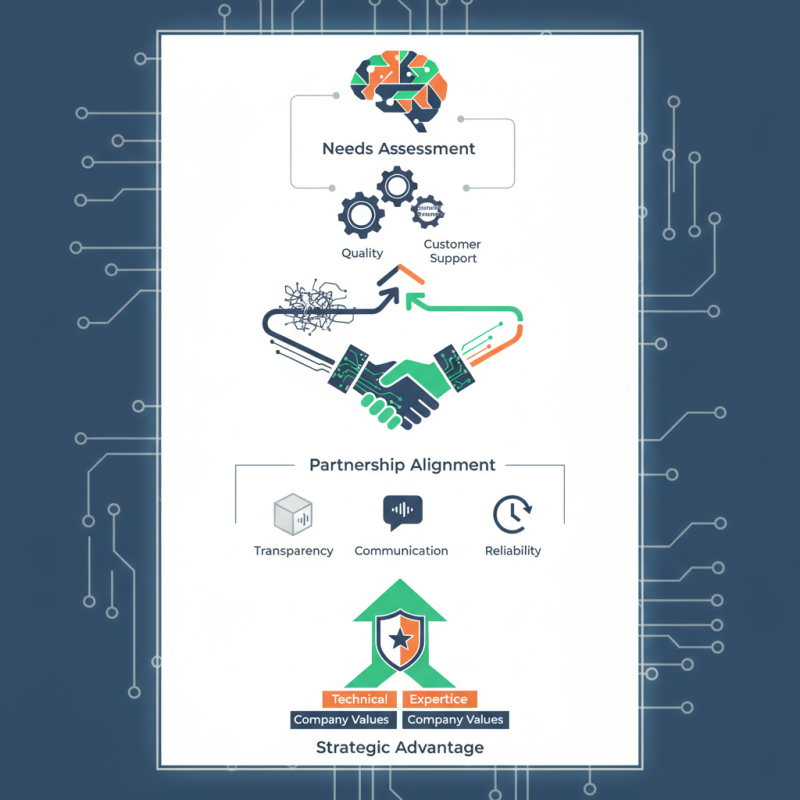
In a competitive landscape, not all manufacturers are created equal. Factors like quality, turnaround time, and customer support are key. Many businesses overlook their own unique needs. This can lead to mismatched partnerships. It's essential to identify specific requirements. This will guide the selection process more effectively.
The right partner should not only offer technical expertise but also align with your company's values. Transparency, communication, and reliability are vital. Reflect on previous experiences or partnerships. Did they meet expectations? Understanding past challenges can inform better choices today. With the right guidance, selecting a PCB manufacturing partner can become a strategic advantage.
Factors to Consider When Selecting a PCB Manufacturing Partner
Choosing the right PCB manufacturing partner is crucial for your project’s success. There are several factors to consider. Start with experience. A partner with a solid track record demonstrates reliability. Look at their portfolio. Assess their capabilities and the complexity of designs they have handled before.
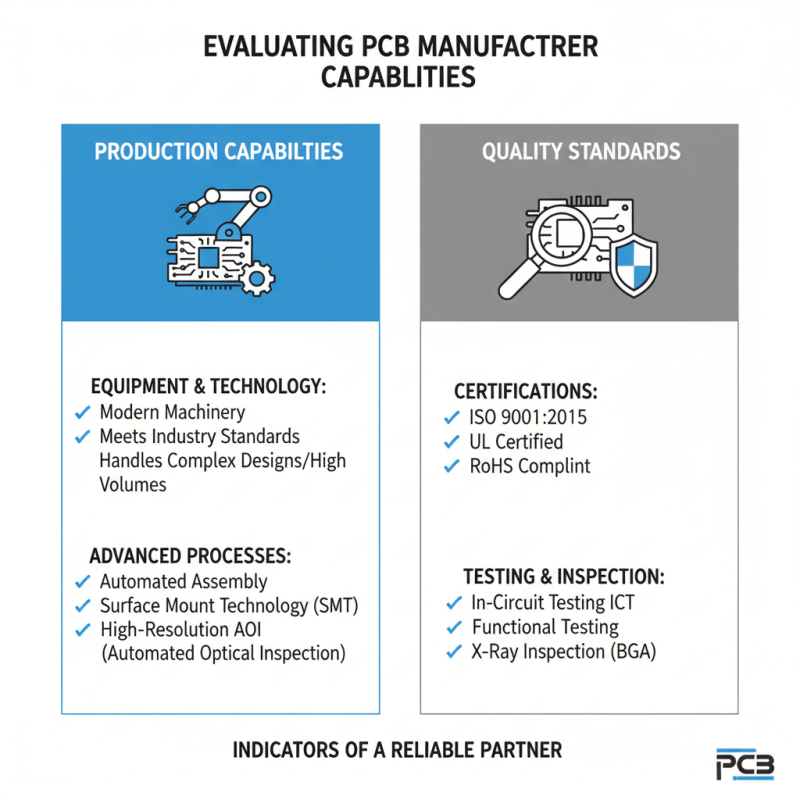
Quality control is another critical factor. Ensure they follow rigorous testing procedures. Certifications can indicate adherence to industry standards. Don’t hesitate to ask for references. Speaking with past clients can provide insight into the partner's reliability and service quality.
Tips: Evaluate turnaround times. A partner that meets deadlines helps you maintain your schedule. Communication matters too. Choose someone who is responsive and open. This can simplify problem-solving and enhance collaboration. Finally, balance cost with quality. The cheapest option may not always be the best fit for your needs. Think critically about what you value most.
Understanding Different PCB Technologies and Their Applications
Choosing the right PCB manufacturing partner starts with understanding different PCB technologies and their specific applications. Each technology has its strengths and limitations, influencing the final product's quality and performance. For instance, traditional FR-4 boards are reliable for most applications, while high-frequency materials serve specialized electronic needs. Exploring these options ensures you select a partner aligned with your project requirements.
Here are some tips: Always ask manufacturers about their production capabilities. This can highlight their expertise. Inquire about their quality control processes. A strong QC system directly impacts product reliability. It’s important to review sample boards before making larger commitments. This practice reveals manufacturing consistency.
Consider the complexity of your design. More intricate designs may require advanced technologies like HDI or flexible circuits. These can increase costs but may be necessary for certain applications. Don't hesitate to discuss potential limitations. Transparent communication helps in striking the right balance between performance and cost. Assessing these factors can lead to a more informed partnership decision.
Assessing Cost Structures: Price vs Quality in PCB Manufacturing
When selecting a PCB manufacturing partner, understanding the interplay between cost and quality is essential. Many manufacturers offer competitive prices, but lower costs often correlate with compromised quality. Inspecting the materials used in the manufacturing process can reveal much about the expected performance and durability of the PCBs. Choose partners who prioritize quality certifications, as this indicates a commitment to reliable and sophisticated manufacturing standards.
Tips: Always request samples before committing to a larger order. This will help you assess the quality firsthand and gauge if it meets your specifications. Analyze whether cheaper alternatives may lead to long-term issues like increased failure rates or higher maintenance costs.
Pricing structures can vary widely across manufacturers. Transparent communication about costs is vital. Avoid hidden fees by asking detailed questions about what is included in the initial quote. This clarity will aid in making informed decisions while preventing unpleasant surprises later. Remember, the lowest price can sometimes lead to unnecessary complications.
How to Choose the Best PCB Manufacturing Partner for Your Needs?
| Parameter |
Description |
Cost Structure |
Quality Rating |
| Minimum Order Quantity |
Lowest quantity for production |
$100 - $500 |
4.5/5 |
| Lead Time |
Time from order to delivery |
2-4 Weeks |
4/5 |
| Payment Terms |
Options for paying for production |
50% upfront, 50% on delivery |
4.2/5 |
| Certification |
Industry standards certifications |
IPC-A-610, ISO 9001 |
4.8/5 |
| Customer Support |
Availability and responsiveness |
24/7 support via chat |
4.7/5 |
The Importance of Communication and Support in PCB Partnerships
When selecting a PCB manufacturing partner, communication is vital. Open lines of dialogue ensure expectations are clear. It’s essential to discuss your project requirements in detail. This includes timelines, specifications, and potential challenges. A partner that actively listens can adjust their processes accordingly. They should provide updates regularly. Transparency in communication builds trust and improves collaboration.
Support is equally crucial in a PCB partnership. Manufacturers should offer technical assistance throughout the project. This support can include design consultations or troubleshooting. A lack of support may lead to misunderstandings or costly errors. Partners should be flexible and responsive to your needs. If issues arise, quick resolutions are necessary. Reflecting on past projects can help assess a partner's true value. An unreliable partner can derail your timelines.
Strong communication and dependable support create a solid foundation. These elements help navigate the complexities of PCB manufacturing. Before making a choice, ensure the partner aligns with your goals. Pay attention to their responsiveness during initial discussions. This will indicate how they handle future interactions.
Factors to Consider When Choosing a PCB Manufacturing Partner
The following chart illustrates the key factors that influence the decision-making process when selecting a PCB manufacturing partner. The factors include Communication, Technical Support, Cost, Quality, and Lead Time.