How to Choose the Best Linear Drive for Your Needs?
Choosing the right linear drive is critical for optimizing machinery performance. According to industry reports, the linear drive market is projected to reach $10 billion by 2025. This growth reflects the increasing demand for precision and efficiency in automation systems. Linear drives are pivotal in applications ranging from robotics to manufacturing, facilitating movement with precision.
Understanding your specific needs is essential for selecting the right linear drive. Parameters like load capacity, speed, and control requirements vary greatly. For instance, a study from the Robotic Industries Association highlighted that using the correct linear drive can enhance operational efficiency by up to 30%. Yet, many businesses overlook these details, leading to misaligned choices that fail to meet operational goals.
Focusing on quality and reliability is crucial. Not all linear drives are created equal; some may offer advanced features but lack durability. A reliable linear drive ensures longevity and consistent performance. It’s important to evaluate not just the specs but also the reputation of the manufacturer. Reflecting on past experiences and consulting experts in the field can provide valuable insights into making the best choice.
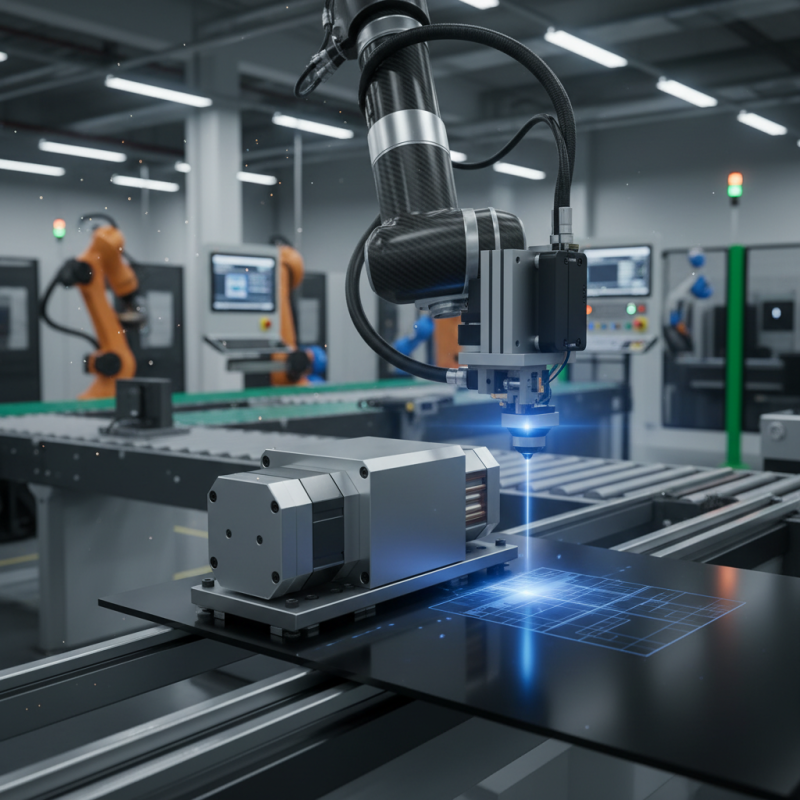
Understanding Linear Drives: Types and Applications
Linear drives are crucial in modern automation and robotics. They convert rotary motion into linear movement. This provides precision for applications like CNC machines and 3D printers. Understanding the types of linear drives is essential for selecting the right one.
There are several types of linear drives: electric, pneumatic, and hydraulic. Electric linear drives are often favored for their precision. Pneumatic drives offer speed but may lack the same control. Hydraulic systems excel under heavy loads, yet they can be complex and require maintenance. Each type comes with advantages and disadvantages that must be considered.
The application greatly determines the choice of drive. For instance, a 3D printer requires a precise electric linear drive. On the other hand, an assembly line might need a robust pneumatic or hydraulic option. Evaluating the specific needs of your project will lead to the best choice. However, mishaps happen, and sometimes initial selections may not perform as expected. Reflecting on past choices can guide better decisions.
How to Choose the Best Linear Drive for Your Needs?
| Type of Linear Drive |
Applications |
Load Capacity |
Speed |
Precision |
| Electromechanical Linear Drive |
Assembly lines, robotics |
Up to 500 kg |
20 mm/s - 500 mm/s |
±0.02 mm |
| Ball Screw Drive |
CNC machines, 3D printers |
Up to 300 kg |
10 mm/s - 300 mm/s |
±0.01 mm |
| Lead Screw Drive |
HVAC systems, linear positioning |
Up to 150 kg |
5 mm/s - 150 mm/s |
±0.1 mm |
| Pneumatic Linear Drive |
Material handling, pick and place |
Up to 200 kg |
100 mm/s - 1000 mm/s |
±0.5 mm |
| Linear Motor Drive |
High-speed applications, precision machinery |
Up to 1000 kg |
500 mm/s - 4000 mm/s |
±0.005 mm |
Key Factors to Consider When Choosing a Linear Drive
When choosing a linear drive, consider several key factors. The load capacity is essential. Evaluate what your application requires. Drives vary in how much weight they can handle. A mismatch here can lead to performance issues.
Next, think about speed and precision. Some tasks need quick movements, while others require high accuracy. Determine the necessary specifications for your project. It's crucial to have a clear goal, as this can guide your selection.
Don't overlook environmental factors. Temperature and humidity can impact the performance of a linear drive. Assess where the drive will be used. Outdoor environments often demand more robust solutions. Often, overlooked details can lead to future complications. Always reflect on the long-term needs of your application.
Evaluating Performance Specifications of Linear Drives
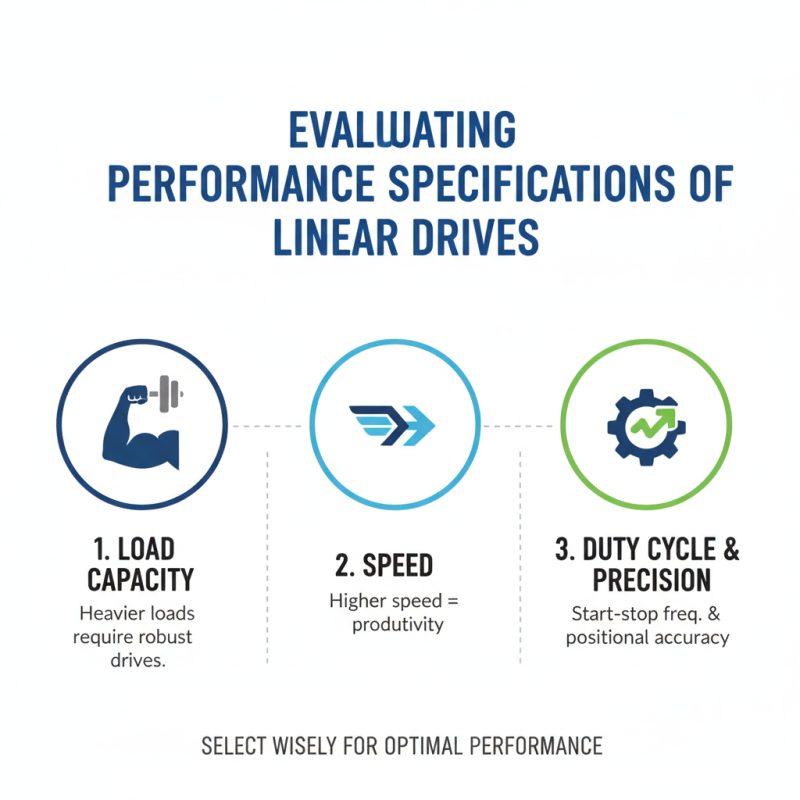
When selecting a linear drive, it’s crucial to delve into performance specifications. Consider the load capacity of the drive. High-performance applications may require drives that can handle heavier loads efficiently. Pay attention to speed specifications as well; higher speeds can impact overall productivity.
Another essential specification is the precision of the drive. Especially in applications like robotics or automation, accuracy can make a significant difference. Assess the repeatability of the drive, as this indicates how consistently it can perform over time. A reliable drive minimizes errors, ensuring smoother operations.
Tips: Always review the torque ratings. Insufficient torque can lead to slippage or failure. Don't overlook the thermal management features. Excessive heat can degrade performance and lifespan. Lastly, consider the integration capabilities with existing systems to avoid compatibility issues. Being aware of these factors can prevent potential setbacks in your projects.
Comparing Cost and Value in Linear Drive Selection
When selecting a linear drive, it's essential to balance cost with value. Industry reports show that the average price for a high-quality linear drive can range from $500 to $5,000. Yet, cheaper options often come with compromises, such as lower efficiency or reduced lifespan. For instance, a low-cost drive might offer only 50% of the lifespan of a premium alternative. This discrepancy can lead to higher replacement costs over time.
Consider the long-term impacts of your investment. A study revealed that choosing a drive with higher initial costs could result in 20% lower maintenance expenses over its lifespan. Reliability matters. According to engineering experts, reliability ratings of drives can vary significantly, impacting overall system performance. While budget drives may seem appealing, they often lead to performance failures. This has been documented in sectors such as manufacturing, where downtime from equipment failure can cost companies thousands of dollars per hour.
Reflect on your specific needs and operational demands. What is the typical load? How critical is precision? A drive that excels in one area may falter in another. Value doesn't solely equate to price; it hinges on performance, efficiency, and overall reliability. Investing in the right linear drive can yield significant returns in productivity and reduced maintenance costs. Consider these factors carefully to make an informed choice.
Integrating Linear Drives into Your Existing Systems
Integrating linear drives into your existing systems presents unique challenges. It’s essential to acknowledge the specific requirements of your setup. Consider mechanical compatibility first. Ensure the drive dimensions fit your current framework. Poor alignment could lead to inefficiencies and increased wear.
Beyond mechanics, control systems play a pivotal role. How will the linear drive communicate with your existing network? Compatibility with your control software is vital. Mismatched protocols can create disruptions. Small errors in this process might lead to larger operational headaches. Testing configurations before full integration can expose unforeseen issues.
Take the time to evaluate power requirements. Insufficient power supply can lead to performance issues. It's also wise to consider the drive's load capacity. Overloading can compromise its functionality and lifespan. These details often get overlooked but are necessary for a smooth transition. Adjusting your current systems may require additional modifications, which can involve unexpected costs and time.
How to Choose the Best Linear Drive for Your Needs?
This chart illustrates the comparison of key features in different types of linear drives commonly used in various applications. Choose the right drive based on speed, load capacity, and precision requirements.