How to Choose the Best Electronics Tools for Your Projects?
Choosing the right electronics tools is crucial for any project. Renowned electronics expert Dr. Emily Carter once said, "The right tools can turn a simple idea into brilliant innovation." This encapsulates the essence of selecting the best devices for your needs.
When diving into electronics tools, consider quality and functionality. Many beginners overlook this, opting for cheaper options. This often leads to dissatisfaction in their projects. Quality tools can enhance precision and reduce frustration. Budget constraints can make choosing difficult, but investing in durable tools usually pays off.
Moreover, the vast array of tools can be overwhelming. From soldering irons to multimeters, each serves a unique purpose. For example, investing in a reliable multimeter can improve your understanding of electrical principles. However, selecting tools should also involve personal comfort and style. A tool that feels right in your hands can make a significant difference.

Understanding Your Project Requirements and Goals
When embarking on an electronics project, clarity of your goals and requirements is crucial. Start by defining the scope of your project. What problem are you solving? Consider the essential features. Make a list. This helps in narrowing down the tools you need. Are you building a simple circuit or a complex system? Knowing this will shape your tool selection.
Next, think about your skill level. Are you a beginner or advanced? Beginners may prefer user-friendly tools. Advanced users might seek specialized equipment. Reflect on past projects. What tools did you find helpful? Were there any that fell short? This insight can guide your choices. Also, budget constraints play a role. High-end tools are great but may not be necessary for every project.
Additionally, consider the project's timeline. Urgency can affect your decisions. Rushing may lead to suboptimal tool selection. Always ask if the tools will meet your current and future needs. A tool that works today may not fit tomorrow's project. This reflection ensures continuous improvement in your electronic creations.
Identifying Essential Electronics Tools for Beginners
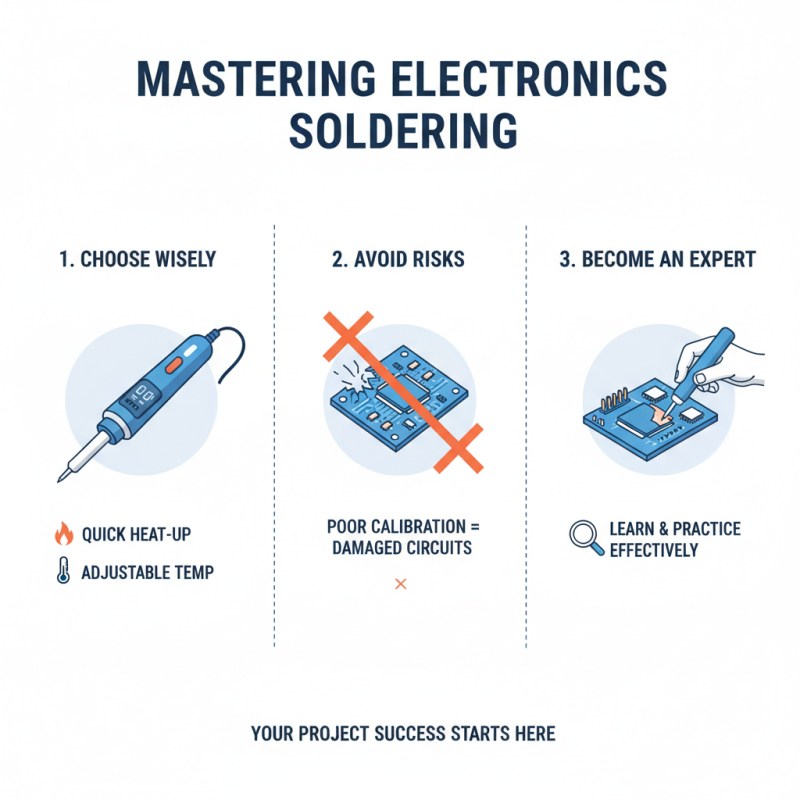
When starting your electronics journey, having the right tools is essential. Beginners should focus on obtaining a few crucial items. A good soldering iron is indispensable. Look for one that heats up quickly and provides control. You might make mistakes while learning to solder. That's normal and part of the process.
Next, a digital multimeter is vital for measuring voltage, current, and resistance. It can help troubleshoot various issues in your projects. Keep in mind, understanding how to read the multimeter takes time. Practice is necessary to gain confidence in its use.
Wire strippers and pliers are also important tools. They help with cutting and manipulating wires. Good quality tools can make a significant difference in ease of use. Sometimes, you might find your hands struggle with them at first. Don't be discouraged—everyone goes through this learning curve. Experimenting with these tools will help you improve your skills and enhance your projects.
Evaluating Quality and Brand Reputation of Electronics Tools
When choosing electronics tools, evaluating quality and brand reputation is crucial. A well-established brand often signifies reliability. They usually have stringent quality control processes. However, not all renowned brands guarantee the best tools for your specific project. Sometimes, smaller manufacturers offer impressive quality at a lower price. Researching various brands can help you discover hidden gems.
Quality is often reflected in tool performance and longevity. Look for materials used in the tools. Sturdy, durable materials often lead to better performance. Check user reviews and community feedback. Real-life experiences often reveal strengths and weaknesses that product descriptions may overlook. Pay attention to any recurring issues noted by users. Understanding the common complaints can steer you toward better choices.
It's also wise to assess customer service reputation. A company that supports its customers can make a significant difference. Responsive service can aid in troubleshooting. Brands with poor service often leave users feeling frustrated. Sometimes, even established names fall short in this area. Don't hesitate to explore newer companies. They may surprise you with their innovation and dedication to quality.
Quality vs Brand Reputation of Electronics Tools
Budgeting and Cost Considerations for Electronics Tools
When budgeting for electronics tools, it’s vital to assess your project needs. According to a recent industry report, roughly 40% of hobbyists overspend on tools that don’t fit their skill level. This can lead to frustration and unused equipment. Setting a clear budget helps to avoid impulse purchases that can strain finances.
Consider the different categories of tools. Basic hand tools like soldering kits and multimeters can start at $20. However, advanced tools may cost hundreds. A survey indicated that about 30% of engineers recommend investing at least $300 in essential tools for serious projects. But is this always necessary? Reflecting on what you truly need can save money.
Also, factor in long-term use. Some cheap tools may need replacement, leading to higher costs over time. Investing in quality may seem expensive initially. Still, it often proves more economical when considering durability and reliability. Aim to balance cost with necessity. Analyze how often you’ll use each tool. Not all items require heavy investment. A thoughtful approach ensures you spend wisely without compromising quality.
Exploring Advanced Tools for Professional Electronics Projects
When embarking on advanced electronics projects, choosing the right tools is crucial. A soldering iron is essential for connecting components. It should heat quickly and provide adjustable temperature settings. A poorly calibrated tool can ruin delicate circuits. Therefore, investing time in learning how to use it effectively is key.
Multimeters are also vital for professionals. They measure voltage, current, and resistance. However, many users overlook the importance of reading manuals. Often, misinterpretations lead to errors. A good multimeter should be intuitive or come with clear instructions. Selecting one that fits specific project needs helps avoid confusion.
Lastly, consider your workspace. An organized area boosts productivity and limits accidents. Yet, many underestimate how clutter impacts concentration. Labels for drawers and bins can enhance efficiency. This simple step can save time during complex projects. Reflecting on these aspects will guide you to better decisions.