How to Choose Pinball Machines for Your Business?
Choosing Pinball Machines for a business is more than selecting attractive games. It is a practical decision involving customer interest, available space, maintenance, and expected revenue. A bright cabinet may draw attention, but it may not keep players engaged. A popular title can perform poorly if its rules feel too difficult or its sound overwhelms nearby customers.
Roger Sharpe, a renowned pinball designer, historian, and player, famously said, “Pinball is a game of skill, not chance.” His observation matters for business owners. Players usually return when a machine feels challenging, understandable, and rewarding. Before buying, test each machine for several minutes. Notice the flipper response, display clarity, sound level, and ball-flow quality. Check whether replacement parts and qualified technicians are accessible in your area.
Think about the room itself. Measure doorways, electrical access, walking space, and customer sightlines. A machine placed beside a noisy entrance may receive less play than expected. New machines offer modern features and warranties, while refurbished models can provide stronger value. However, refurbishment quality differs significantly. Request service records, inspect the playfield, and confirm that major components work properly.
There is no perfect formula. I have seen attractive choices become expensive distractions. Sometimes a less fashionable title earns more because customers understand it quickly. Review play counts, maintenance costs, and customer comments after installation. Then adjust your selection. Good Pinball Machines should fit your audience, your floor, and your operating reality—not merely your personal taste.
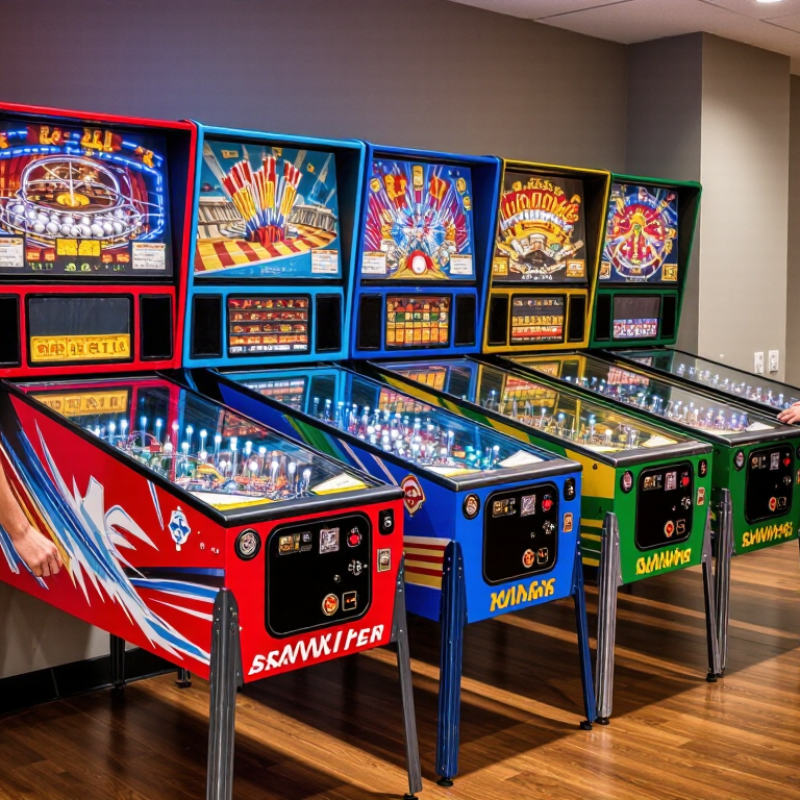
Define Your Business Goals and Target Customers
Before choosing a pinball machine, define what your business must achieve. Is the goal longer customer visits, higher beverage sales, or a stronger family atmosphere? These goals require different locations, themes, and pricing plans. The Entertainment Software Association’s 2024 Essential Facts report found that 61% of Americans play video games weekly. The average player is 36 years old. This suggests that gaming customers are not only teenagers.
Study your actual audience, not an imagined one. A family entertainment center may need easy rules, bright lighting, and enough space for parents to watch. A bar may prefer faster play and a more social layout. Track customer age, visit time, group size, and average spending for at least four weeks. Ask simple questions at checkout. What would they play again? What felt confusing? Keep the answers, even when they challenge your plan.
The IAAPA Global Theme and Amusement Park Outlook emphasizes experience design, repeat visitation, and guest spending as key operating concerns. Apply that thinking to each machine. Place one near visible foot traffic, but avoid blocking queues. Test different prices and record plays per hour. A popular cabinet may still perform poorly if it creates noise or needs frequent service. I have seen owners choose by appearance alone. That is a costly shortcut. Your first selection may be wrong. Review the evidence monthly.
How to Choose Pinball Machines for Your Business? - Define Your Business Goals and Target Customers
| Business Goal | Target Customers | Recommended Machine Profile | Typical Floor Space | Budget Planning Range | Key Performance Metric | Operational Considerations | Selection Priority |
|---|---|---|---|---|---|---|---|
| Increase customer dwell time | Adults aged 25–44, social groups, casual entertainment visitors | Feature-rich machine with recognizable gameplay, strong lighting, and medium-to-high replay value | Approximately 2.2–2.8 m² per machine, including player clearance | About US$6,000–US$12,000 for a new commercial-grade unit | Average session length and repeat plays per visit | Place near seating, food service, or other activities to encourage longer visits | High |
| Attract families during daytime hours | Parents with children aged 8–15 and mixed-age family groups | Easy-to-understand rules, moderate play speed, clear scoring, and durable controls | Approximately 2.0–2.6 m² per machine | About US$5,000–US$10,000 for a new or refurbished unit | Plays per family visit and customer satisfaction feedback | Use clear safety signage and maintain accessible viewing space around the cabinet | High |
| Generate direct pay-per-play revenue | Entertainment-seeking visitors who are comfortable paying per game | Reliable commercial machine with fast reset, intuitive payment integration, and strong repeat-play potential | Approximately 2.2–2.8 m² per machine, plus payment access space | About US$7,000–US$14,000 including payment equipment and installation | Revenue per machine per day and utilization rate | Track pricing, peak periods, downtime, and the number of paid plays per hour | High |
| Create a premium customer experience | Adults aged 25–54, enthusiasts, corporate groups, and higher-spending guests | Premium-condition machine with deep rules, high-quality presentation, and comfortable surrounding space | Approximately 2.5–3.2 m² per machine | About US$10,000–US$18,000 for a premium new or carefully refurbished unit | Average customer spend, repeat visits, and membership retention | Keep the playfield clean, provide adequate lighting, and use a quieter location away from heavy traffic | Medium |
| Add entertainment to a restaurant or bar | Dining customers, after-work groups, and adults seeking short social activities | Visually appealing machine with a short learning curve and gameplay suitable for two-person rotation | Approximately 2.2–2.8 m² per machine | About US$6,000–US$12,000, excluding venue remodeling | Additional food and beverage spend linked to machine use | Leave clear access to tables and service routes; avoid blocking exits or emergency equipment | High |
| Build a competitive pinball community | Experienced players, local clubs, league participants, and hobbyists | Consistent, tournament-suitable machine with adjustable settings and dependable maintenance support | Approximately 2.5–3.2 m² per machine | About US$8,000–US$16,000 per machine, depending on condition and specifications | League participation, tournament attendance, and repeat visits | Plan for regular leveling, cleaning, pinball replacement, and documented service checks | Medium |
| Operate in a compact venue | Walk-in customers, students, office workers, and short-stay visitors | Standard-width machine with simple rules, efficient placement, and minimal surrounding equipment | At least 2.0–2.4 m² per machine, subject to local access requirements | About US$5,000–US$10,000 for a refurbished or entry-level commercial unit | Revenue or customer interactions per square meter | Measure doorways, elevator dimensions, ceiling height, and electrical access before purchase | High |
| Minimize maintenance interruptions | High-volume visitors and businesses without dedicated technical staff | Common commercial platform with accessible parts, strong documentation, and local service availability | Approximately 2.2–2.8 m² per machine | About US$7,000–US$14,000, plus a recommended maintenance reserve | Uptime percentage, repair frequency, and average resolution time | Budget for routine cleaning, replacement balls, rubbers, lamps or LEDs, fuses, and technician visits | High |
| Test demand before expanding | Uncertain or newly developing customer segments | One well-maintained refurbished machine with broad appeal and flexible pricing options | Approximately 2.0–2.8 m² per machine | About US$3,500–US$8,000 for a quality refurbished unit | Plays per day, customer comments, and revenue payback period | Run a 60–90 day trial and compare performance by day, time, customer type, and price | High |
| Support a brand-neutral themed environment | Visitors attracted by the venue atmosphere rather than specialist gameplay | Machine whose visual style, sound level, and cabinet condition match the venue’s interior design | Approximately 2.2–3.0 m² per machine | About US$5,000–US$13,000 depending on condition and customization | Customer engagement, photo or social-media interactions, and repeat visitation | Check sound levels, lighting compatibility, cabinet appearance, and placement against the venue’s design standards | Medium |
Planning figures are general industry ranges in U.S. dollars. Actual costs vary by machine condition, region, shipping, installation, payment equipment, electrical work, taxes, and ongoing maintenance.