How to Choose the Best Surge Protection Device for Your Needs?
In today's digital age, the reliance on electronic devices has surged. With this increase, the need for reliable Surge Protection Devices (SPDs) is more crucial than ever. The Institute of Electrical and Electronics Engineers (IEEE) reported that power surges can cause significant damage, resulting in costs of over $26 billion annually in the U.S. alone. Many households overlook the necessity of a good SPD, putting their valuable electronics at risk.
One study indicated that more than 60% of surges originate internally, primarily from sudden changes in power load. These internal surges can severely impact your devices, leading to unexpected failures. Choosing the right Surge Protection Device can make all the difference. Features like joule rating, response time, and clamping voltage are essential considerations. Yet, many consumers lack the knowledge to make informed decisions.
As expertise in the field grows, users must remain vigilant about their choices. Not all SPDs offer the same level of protection. The market is cluttered with options, making the selection process daunting. Reflecting on past mistakes, many realize too late that a low-quality SPD failed to provide necessary protection. Understanding your specific needs is vital. Investing in the right Surge Protection Device can save you from costly replacements and repairs down the line.
Understanding Surge Protection Devices: An Overview
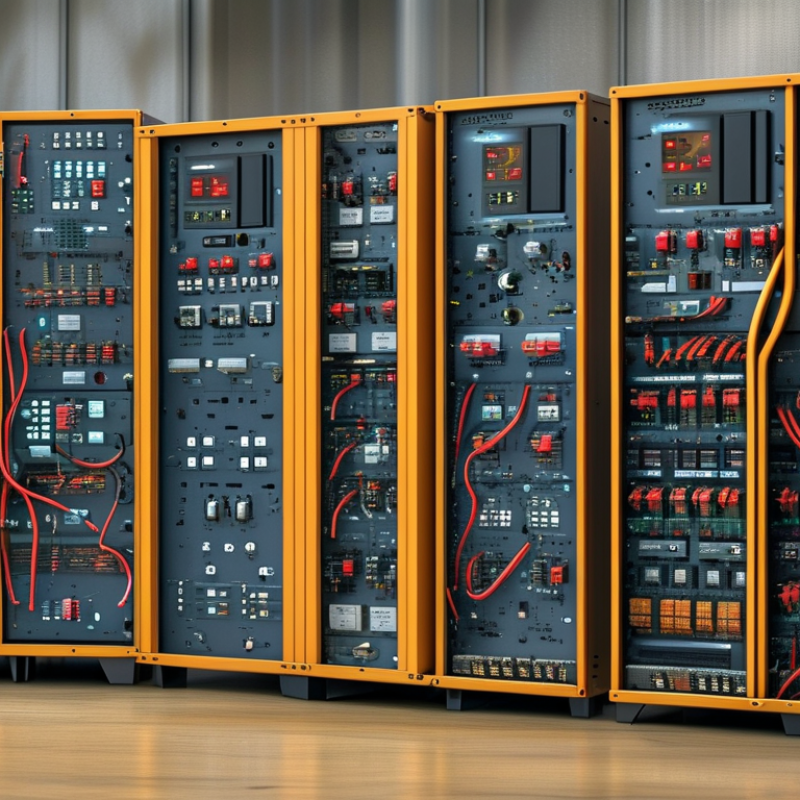
Surge protection devices (SPDs) play a crucial role in safeguarding your electronics. These devices absorb excess voltage during power surges, protecting your valuable appliances. In simple terms, they act like a shield against unexpected spikes in electricity. Without them, losses can be significant, both financially and in terms of safety.
When selecting an SPD, consider the specific needs of your home or office. It’s important to assess the electrical load and types of devices you wish to protect. A standard SPD might suffice for basic electronics, but specialized models are available for high-end equipment. Be aware that not all SPDs are created equal; some may lack essential features, leading to inadequate protection.
Look for features like joule ratings, response time, and warranty. Higher joule ratings indicate better protection. However, keep in mind that price does not always equate to quality. Research well to find a reliable device that fits your requirements. It may take time to find the right fit, but your investment will pay off in the long run.
Identifying Your Electrical Equipment's Needs for Surge Protection
When identifying your electrical equipment's surge protection needs, start by assessing the value and sensitivity of your devices. Delicate electronics, such as computers and medical equipment, require robust protection. These items can be easily damaged by voltage spikes. Clearly understanding what you own helps prioritize surge protection.
Next, consider the environment where your equipment operates. High-risk locations, like industrial settings or areas prone to storms, demand stronger protection. Think about where the equipment is used most. If it's at home, perhaps a moderate surge protector will suffice. However, if it's in a workshop or facility, you need something more reliable.
Check how often you experience power fluctuations. Frequent surges can wear down devices quickly. In cases where surges are rare, a basic model may be adequate. It's okay to question your choices. Do you really know what each device needs? Reflecting on past experiences with power issues can guide future decisions. This careful evaluation ensures your equipment remains safe from unexpected surges.
Evaluating Different Types of Surge Protection Devices Available
When selecting a surge protection device, understanding the different types is crucial. There are three primary categories: power strip surge protectors, wall-mounted units, and whole-house surge protectors. Power strip protectors offer convenience. They allow multiple devices to plug in while providing some protection. However, their capacity is limited compared to other options.
Wall-mounted units are installed directly into outlets. They provide a stronger level of protection than power strips. These devices can handle larger surges. They are a good option for key appliances like refrigerators and computers. Still, users must ensure they are correctly installed, potentially requiring professional assistance.
Whole-house surge protectors are mounted at the main electrical panel. They guard against external surges, like lightning strikes. This type offers comprehensive protection but comes with a higher cost. It's vital to consider installation complexity. Many homeowners may overlook this. Choosing the right device ultimately depends on specific needs and risks. Evaluate your environment and device sensitivity. This assessment will guide your decision on which surge protector best fits your situation.
Surge Protection Devices Comparison
This chart compares different types of surge protection devices based on their average price and surge capacity (in joules). The data illustrates the cost-effectiveness and varying capabilities of different protection solutions.
Key Features to Consider When Choosing a Surge Protection Device
When choosing a surge protection device, it’s crucial to focus on key features that influence protection levels. An essential aspect is joule ratings. The joule rating indicates how much energy the device can absorb before failing. Higher joule ratings mean better protection for your devices.
Another important factor is response time. A surge protector must react quickly to threats. Ideally, look for devices with a response time in nanoseconds. This will ensure that your sensitive electronics stay safe during power spikes.
**Tip:** Regularly check and replace your surge protectors. They lose effectiveness over time.
Consider the number of outlets. If you have multiple devices, ensure your surge protector accommodates them. Look for devices with built-in circuitry for advanced surge protection. This can enhance safety for your home or office equipment.
**Tip:** Take note of warranty offers. A longer warranty period generally suggests higher reliability. High-quality devices might even include equipment protection guarantees.
Don't overlook additional features like indicator lights that show operational status. This can help you monitor device functionality easily. Evaluating these features will empower you to make a more informed decision.
How to Choose the Best Surge Protection Device for Your Needs?
| Feature | Description | Importance |
| Voltage Protection Rating (VPR) | Indicates the maximum voltage the device can handle before being damaged. | High |
| Clamping Voltage | The voltage level at which the surge protector will divert excess voltage away from connected devices. | High |
| Energy Absorption Rating (Joules) | The amount of energy the device can absorb before it fails. | High |
| Number of Outlets | The total number of devices you can plug into the surge protector. | Medium |
| Response Time | How quickly the device can react to a surge. | High |
| Warranty | The coverage period offered on the surge protector and any connected devices. | Medium |
| Additional Features | Features such as USB ports, indicator lights, and reset switches. | Low |
Installation and Maintenance Tips for Optimal Surge Protection
When it comes to installing a surge protection device, proper placement is key. Install the device close to your main electrical panel. This ensures maximum protection for your entire home. Using the right mounting method helps in securing your device effectively. If you aren’t skilled in electrical work, it might be wise to contact a professional. They can ensure everything is set up safely. After installation, inspect your surge protector regularly. Look for signs of wear or damage.
Maintenance is just as important as installation. Regularly test the device to ensure it functions correctly. Most models have indicator lights that show if the surge protection is active. If the light is out, it’s time to either reset or replace the device. Be mindful of the unit's lifespan. Many surge protectors only last a few years, especially after several significant events. Having a maintenance checklist can help you keep track of these essential tasks.
Choosing the right place and maintaining your surge protection device will enhance its effectiveness. Think about potential issues in your area, such as frequent storms. Reviewing your situation often can save you from costly damage. Embrace the possibility that mistakes might happen. It’s important to learn from them and improve your system over time.