How to Build a Successful Career in the Semiconductor Industry
The semiconductor industry is a cornerstone of modern technology, playing a pivotal role in powering everything from smartphones to autonomous vehicles. According to a report by the Semiconductor Industry Association (SIA), global semiconductor sales reached a staggering $555 billion in 2021, and the industry is projected to grow at a compound annual growth rate (CAGR) of 8.4% through 2028. This rapid growth presents a wealth of opportunities for those aspiring to establish a successful semiconductor career, highlighting the significance of specialized skills and knowledge in this field.
As industry expert Dr. Lisa Su, CEO of Advanced Micro Devices (AMD), aptly stated, "Innovation in the semiconductor space is not just about technology; it’s about creating a workforce that can lead us into the future." This emphasizes the critical importance of nurturing talent and equipping professionals with the necessary expertise to drive advancements in semiconductor technology. As the demand for cutting-edge solutions continues to surge, individuals seeking to build a career in this dynamic sector need to focus on developing a robust skill set and staying attuned to industry trends.
In conclusion, building a successful career in the semiconductor industry requires not only an understanding of technical intricacies but also a commitment to lifelong learning. With the surge in demand for semiconductors, now is an opportune moment for professionals to embark on their semiconductor career journeys and contribute to shaping the future of technology.

Understanding the Semiconductor Industry: Key Concepts and Trends
The semiconductor industry is a dynamic field characterized by rapid technological advancements and increasing market demands. At its core, semiconductors are materials that have electrical conductivity between that of a conductor and an insulator, enabling the control of electrical current. Key concepts in this sector include integrated circuits, which combine numerous electronic components into a single chip, and fabrication processes, which involve the complex steps needed to manufacture these chips. Understanding these fundamental concepts is crucial for anyone aspiring to build a career in the industry, as they underpin the technological innovations driving modern electronics.
Trends in the semiconductor sector indicate a growing emphasis on miniaturization, performance enhancement, and sustainability. The movement towards smaller, more efficient chips is not only a response to consumer demand for compact devices but also a critical factor in the advancement of technologies like the Internet of Things (IoT) and artificial intelligence (AI). Furthermore, there is an increasing focus on sustainable manufacturing practices, aimed at reducing the environmental impact of semiconductor production. Staying informed about these trends and actively engaging with ongoing developments will empower professionals to adapt and thrive in this evolving landscape, ultimately positioning them for success in their careers.
Identifying Career Paths in the Semiconductor Sector
The semiconductor industry offers a myriad of career paths, catering to diverse skill sets and interests. According to a recent report by the Semiconductor Industry Association, the global semiconductor market is projected to reach $1 trillion by 2030, underscoring the potential for growth in this sector. Individuals looking to build a successful career in this industry can explore roles in engineering, design, manufacturing, and sales, each playing a pivotal role in the overall supply chain. For instance, semiconductor design engineers are increasingly in demand, reflecting an industry shift toward more complex and integrated circuit designs.
Furthermore, the workforce in the semiconductor sector is seeing a significant transformation, as emerging technologies such as AI and machine learning impact traditional processes. Data from the McKinsey Global Institute indicates that 60% of semiconductor firms plan to invest heavily in automation over the next few years, creating new opportunities for those with expertise in software and automation technologies. Aspiring professionals should consider enhancing their skill sets through specialized training and education in these areas to remain competitive. The diverse and rapidly evolving nature of the semiconductor industry means talented individuals can carve out fulfilling careers with the right combinations of skills and knowledge.
Essential Skills and Qualifications for Semiconductor Professionals
To build a successful career in the semiconductor industry, aspiring professionals must develop a robust set of skills and qualifications. A strong educational foundation in relevant fields such as electrical engineering, materials science, or physics is essential. Additionally, hands-on experience through internships or co-op programs can provide valuable insights into the complexities of semiconductor manufacturing and design processes. This practical exposure not only enhances technical abilities but also fosters problem-solving skills critical for innovation in this rapidly evolving field.
In terms of essential skills, understanding semiconductor physics and circuit design is crucial. Proficiency in software tools for design and simulation, such as CAD programs, is also highly beneficial. Furthermore, as the industry increasingly embraces automation and artificial intelligence, familiarity with machine learning and data analysis techniques can set candidates apart.
Soft skills, including effective communication and collaboration, are equally important, as engineers often work in cross-functional teams to bring projects from concept to production. Professionals who continuously seek to expand their knowledge and stay updated with industry trends will find themselves well-positioned for career advancement in the semiconductor sector.
Networking and Professional Development Opportunities in Semiconductors
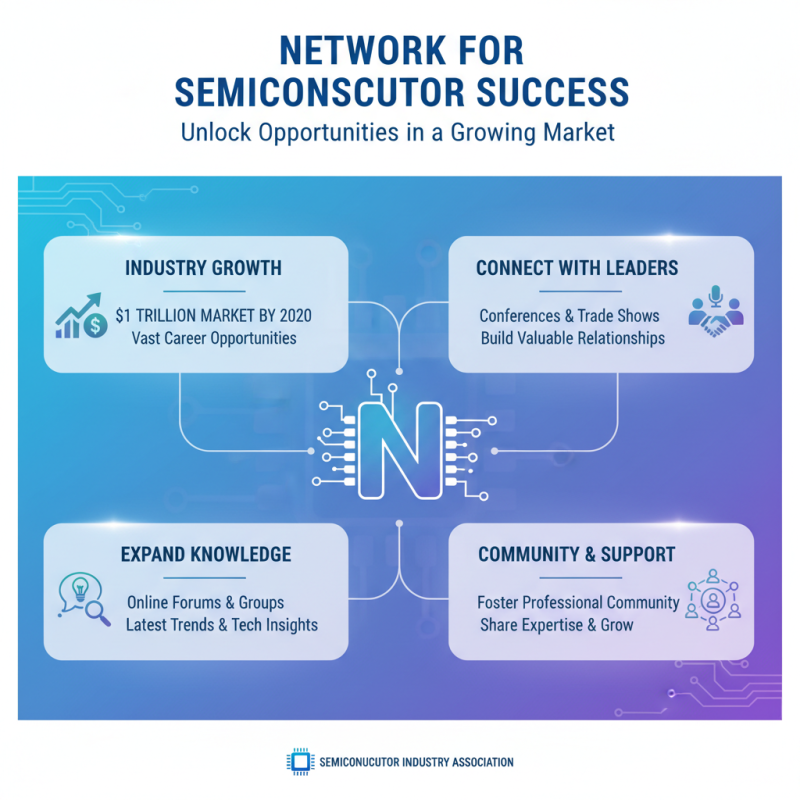
Networking is a crucial aspect of building a successful career in the semiconductor industry. According to the Semiconductor Industry Association, the sector is projected to reach a market size of $1 trillion by 2030, which highlights the vast opportunities available for professionals. Engaging in relevant industry events, such as conferences and trade shows, allows individuals to connect with leaders and experts, facilitating valuable professional relationships. Participating in online forums and local semiconductor groups can also broaden one’s network, providing insights into the latest trends and technologies while fostering a sense of community.
Moreover, professional development opportunities play a significant role in advancing one’s career within this fast-evolving field. Continuous education through workshops, certifications, and specialized training programs not only enhances technical skills but also demonstrates commitment to employers. For instance, a report from Market Research Future indicates that investment in workforce training could increase productivity in the semiconductor sector by up to 20%. Taking advantage of mentorship programs can further amplify personal and professional growth, as seasoned professionals can provide guidance on navigating industry challenges and opportunities. By actively engaging in networking and pursuing development opportunities, individuals can build a robust career foundation in the semiconductor industry.
Navigating the Job Market: Strategies for Success in Semiconductors
In today's fast-evolving job market, the semiconductor industry presents vast opportunities for professionals seeking a rewarding career. According to a recent report from SEMI, the global semiconductor market is projected to reach $600 billion by 2025, driven by advancements in technology and increasing demand for consumer electronics, automotive, and IoT devices. To successfully navigate this competitive landscape, job seekers must be strategic in their approach, armed with both relevant skills and industry knowledge.
One effective strategy is to focus on building technical expertise in critical areas such as circuit design, semiconductor manufacturing, and materials science. The Semiconductor Industry Association (SIA) indicates that roles in these domains are expected to grow by over 10% in the coming years, outpacing many other sectors. Furthermore, engaging in networking opportunities—such as industry conferences and online forums—can provide valuable connections and insights into emerging trends, helping candidates stay ahead of the curve. Emphasizing continuous learning through certifications or specialized training programs can also enhance one’s marketability in this rapidly changing field.
How to Build a Successful Career in the Semiconductor Industry - Navigating the Job Market: Strategies for Success in Semiconductors
| Aspect |
Details |
| Industry Overview |
The semiconductor industry is a fast-growing field that involves designing, manufacturing, and selling semiconductor devices. It is crucial for technology advancement. |
| Key Skills Required |
Analytical Thinking, Problem Solving, Knowledge of Circuit Design, Proficiency in CAD Software, Understanding of Semiconductor Physics. |
| Educational Background |
Typically, a Bachelor's degree in Electrical Engineering, Materials Science, or Physics is required. Advanced degrees can enhance job prospects. |
| Job Roles |
Design Engineer, Process Engineer, Test Engineer, Quality Assurance Specialist, Product Manager. |
| Networking Strategies |
Attend industry conferences, join relevant professional organizations, and connect with professionals on LinkedIn. |
| Internship Opportunities |
Seek internships during your studies, as they provide valuable experience and can lead to full-time job offers. |
| Industry Trends |
Growing demand for AI, IoT devices, and renewable energy technology is shaping the future of the semiconductor industry. |