Choosing the 2026 Best Chicken Water Drinker for Poultry Farms requires more than comparing prices or product photos. A reliable Chicken Water Drinker should provide clean, consistent water throughout the day. It must also match flock size, housing design, climate, and management routines. A small backyard unit may fail in a busy commercial house. The opposite can create unnecessary waste.
This guide examines nipple drinkers, cup systems, and automatic watering lines through practical farm conditions. We consider water pressure, leakage, drinking height, material quality, installation, cleaning access, and replacement parts. Stainless steel components often resist daily wear, while properly adjusted nipples can keep litter noticeably drier. In a working poultry house, even a slow drip can form a wet patch beneath the line. That patch may attract insects and increase maintenance.
Small details matter.
The evaluation also considers guidance from poultry equipment manufacturers, animal-care professionals, and established farm practices. Product specifications are useful, but real performance depends on setup and inspection. A drinker advertised as low-maintenance still needs regular flushing and observation. Birds should show easy access without stretching awkwardly or crowding one another. No system is flawless. Water quality, mineral buildup, freezing temperatures, and human error can change results quickly. Some recommendations may need revision after longer field use. Therefore, this overview focuses on dependable selection criteria rather than declaring one universal winner. Farms should compare verified specifications, test the system with their flock, and consult qualified poultry specialists when unusual health or water-quality concerns appear.
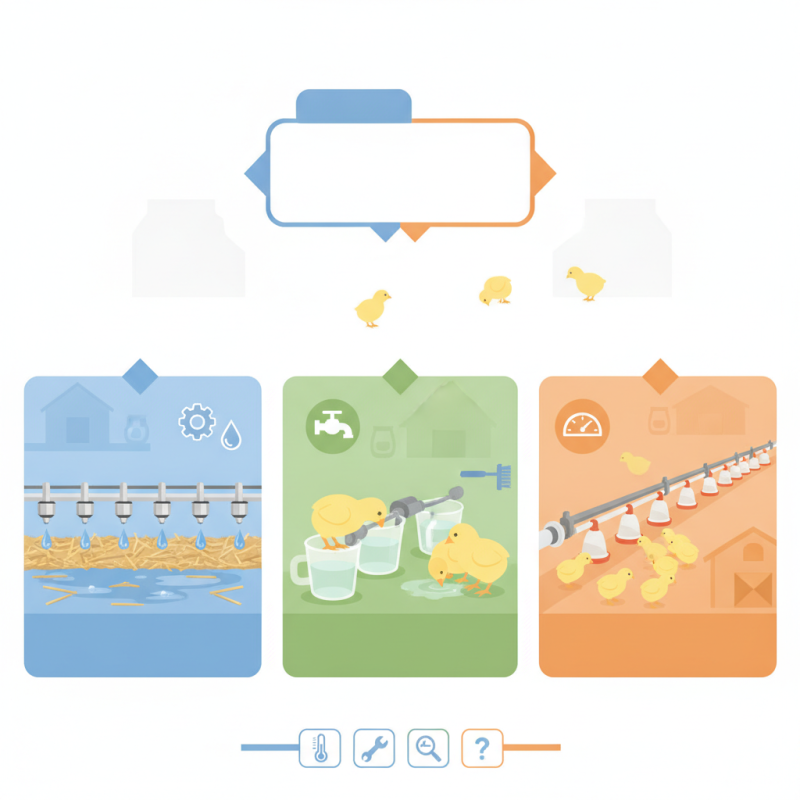
In 2026, a suitable chicken water drinker must deliver clean water at a steady rate, not simply look modern. On working poultry sites, I check water output at flock level, especially during hot afternoons. Nipple drinkers can reduce contamination when positioned correctly. Cups may help young birds find water faster. The choice depends on bird age, housing design, and daily supervision. Small errors become expensive quickly.
A farm-ready system needs adjustable height, reliable pressure control, and washable lines. Water should not splash onto litter. Wet litter raises cleaning demands and can worsen flock comfort. Use a filter where supply water carries sediment, then inspect it on a fixed schedule. Stainless or food-safe materials resist corrosion, but no drinker is maintenance-free. That part is easy to forget. During checks, measure flow from several drinkers, not only the nearest one. A weak end line may leave birds waiting, even when the inlet looks normal.
Large poultry farms also need simple scaling and clear records. Record water use by house, flock age, and weather. A sudden drop can signal blockage, leakage, illness, or feed changes. A sudden increase deserves investigation too. Sensors can improve response, but they cannot replace a person walking through the house. I would also keep spare seals and a backup water route. My own preference can be too rigid: the cheapest layout may suit a small shed better than a complex automated system. Test one section before expanding across every house.
2026 Best Chicken Water Drinker for Poultry Farms?
Main Types of Chicken Water Drinkers and How They Work
Poultry farms mainly use nipple, cup, trough, and bell drinkers. Nipple drinkers release water when a bird presses the pin with its beak. They reduce open-surface contamination and litter moisture. Cup drinkers catch water beneath a valve, so birds can drink with less neck movement. Trough systems offer easy access, but feed dust and droppings can quickly pollute them. Bell drinkers spread water around a suspended pan and suit larger groups. However, uneven pressure may cause wet litter. No system is perfect.
The 2023 FAO poultry guidance stresses clean, continuously available water as a basic production requirement. Commercial management data commonly report water intake near 1.6–2.0 kilograms per kilogram of feed under moderate temperatures. Heat can raise demand sharply. A drinker should therefore match flock size, pressure, flow rate, and house temperature. An oversized line may waste water. An undersized line may create competition.
Tips: Measure flow at the farthest drinker each week. Check wet litter before adjusting pressure. Clean tanks and flush lines regularly. Keep the water temperature stable when possible. A simple daily log helps reveal blocked nipples, falling intake, or sudden heat stress. I would not choose equipment from price alone; maintenance access often matters more.
Choosing the right poultry drinker depends on flock size, housing design, water cleanliness, and labor requirements. The chart shows typical planning capacity per drinking point for common chicken waterer types.
Planning note: The values are typical mid-range recommendations used for farm planning: approximately 10 birds per nipple or cup, 90 birds per bell drinker, and 20 birds per 50 cm of trough length. Actual requirements vary with bird age, breed, climate, water pressure, and equipment design.
2026 Best Chicken Water Drinker for Poultry Farms?
Choosing the right drinker begins with flock size and daily water demand. The FAO reports that poultry may consume 1.6 to 2 times more water than feed by weight. Hot weather can increase that ratio. A small flock may manage with a compact manual drinker, but large houses need multiple drinker points. One unit is rarely enough. Birds should not crowd around one water source.
Nipple drinkers can reduce open-surface contamination when installed correctly. USDA APHIS guidance emphasizes clean water, regular inspection, and reliable equipment for poultry health. For growing flocks, adjustable height matters. The bird’s back should align comfortably with the drinker, while the nipple releases water without continuous dripping. Check the litter beneath each line. Wet bedding usually reveals a pressure or height problem.
Farm conditions also influence the best choice. In dusty houses, wide openings may collect debris quickly. In freezing regions, exposed pipes require protection and frequent checks. Water quality deserves testing, especially when mineral deposits block valves. I have found that cheaper equipment can become expensive after repeated cleaning and repairs. Still, automatic systems are not maintenance-free. A missed leak can waste water and damage litter overnight. The right drinker matches bird numbers, housing temperature, water pressure, and the farmer’s inspection routine. Manufacturers often provide useful flow targets, but real farm observations should confirm them.
For 2026 poultry farms, a good chicken water drinker must be installed for reliable flow, not merely low purchase cost. Broiler management data commonly reports water consumption at 1.6–2.0 times feed intake near 21°C. During heat stress, demand may increase two- to threefold. The FAO Poultry Development Review stresses that clean, continuously available water supports flock health and productivity.
Install nipple lines at the birds’ eye level, then raise them as birds grow. Poor height causes wet litter, dirty breasts, and uneven drinking. Use a pressure regulator, visible end flush points, and a slight line slope. Test flow at the first and last nipples. They should not differ greatly. A good design can still fail.
Clean water lines between flocks with an approved sanitizer, following its label and local veterinary advice. Flush until the discharge is clear. During production, inspect drinkers every day for leaks, blocked nipples, algae, and biofilm. Test source water periodically for pH, hardness, bacterial contamination, and mineral content. USDA APHIS poultry health guidance identifies water sanitation and equipment hygiene as important disease-prevention practices. Keep written records. Weekly inspection sounds sufficient, but hot weather may require daily adjustment. This is where many maintenance plans become unrealistic. Replace damaged seals promptly, because a small drip can create a large wet patch overnight.
Choosing the best chicken water drinker in 2026 requires more than checking price. Safety, water efficiency, and smart features affect flock health every day. On working poultry farms, clean water supports feed intake, growth, and egg production. The drinker should use food-safe materials, resist rust, and avoid sharp edges. It must also stay stable when birds push against the line.
Safety comes first. Nipple drinkers can reduce contamination from litter, feathers, and droppings. However, poor height adjustment may leave smaller birds thirsty. Set the drinker at eye level, then check several birds during the day. Water should flow steadily without soaking the floor. A loose connection can waste hundreds of liters overnight. Inspect valves, pipes, and seals during routine cleaning. Do not trust appearance alone.
Efficiency needs measurement. A pressure regulator can control flow, while a catch cup may reduce floor waste. Smart models can monitor usage, pressure, temperature, and unusual drinking patterns. These alerts may reveal leaks or illness earlier than visual checks. Still, sensors are not perfect. Dust, weak batteries, or poor calibration can create false alarms. I once overlooked a simple blocked line because the dashboard showed normal readings. Manual checks remain necessary. Choose a system that is easy to clean, repair, and inspect without special tools.